Rice in a Cup and Stories at the Table: How Heritage Grains Turn Picky Kids Into Curious Eaters
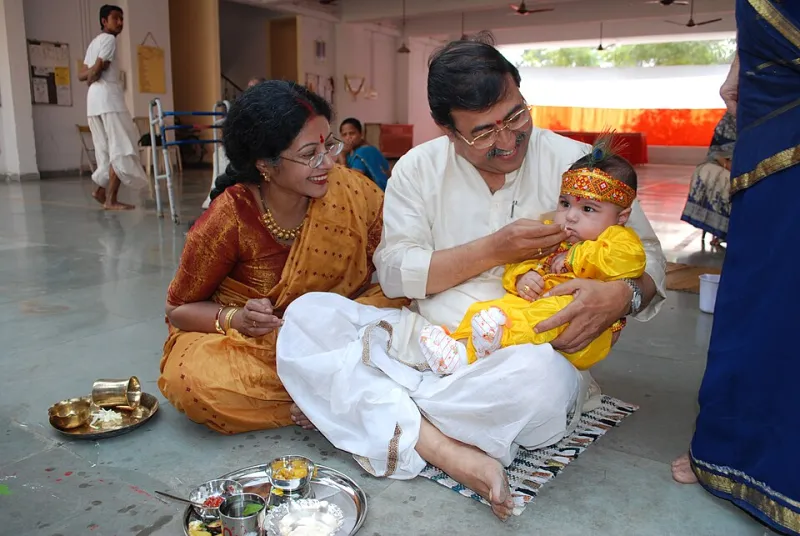
Photo: Nauzer, Public domain, via Wikimedia Commons
The Problem With 'Just Eat It'
Every parent knows the standoff. The broccoli sits. The negotiation escalates. Someone threatens dessert-related consequences. Feeding specialists will tell you the pressure tactic almost never works — but the thing that does work is surprisingly simple: give kids a reason to care.
That's where heritage grains come in. Not because kids care about grain genetics, but because heritage rice comes with something commodity rice doesn't: a story. A farm with a name. A harvest month. A flavor that changes depending on the soil it grew in. For a seven-year-old, that's not nutrition — that's world-building.
Start With Porridge, Not Pressure
The easiest entry point is breakfast. A warm rice porridge — leftover heritage rice simmered in milk with a spoonful of maple syrup, cinnamon, and whatever fruit is in season — has the soft, familiar texture most kids already accept. But it tastes noticeably different from instant cereal, and kids notice.
"My daughter started asking which farm the rice came from," says Sarah, a reader and farm family member from southern Minnesota. "We'd look it up together at breakfast. Once she knew the farmer's name, she was invested. Now she requests 'the good rice' for porridge."
Pediatric feeding specialists often recommend what's called a low-pressure, repeated-exposure approach: put a new food on the table without demanding anyone eat it. Heritage rice works well here because it can show up in a familiar form — porridge, rice pudding, buttered rice with dinner — while still being distinct enough to spark questions.
The Cup Project: Growing Curiosity
School garden coordinator Marisol Vega runs a 'grow it in a cup' program with second graders, and rice is one of her favorite tools.
"Kids plant a few grains in a clear cup with wet paper towel, and within days they see a green shoot," she says. "Then we talk about where real rice grows — the water, the seasons, the patience. By the time we cook rice in the classroom, they're not tasting a random grain. They're tasting something they watched come to life."
The project costs almost nothing — a cup, a paper towel, a few seeds — and Vega says the payoff shows up at lunch. "Parents tell me kids who 'hated rice' now ask for it. The difference is ownership. They grew it. They know it."
You don't need a classroom to do this. A sunny windowsill and a clear cup will do just fine at home.
Make the Table a Storytelling Spot
A few low-effort habits that turn dinner into food education:
- Name the farm. Heritage rice usually comes with grower information. Read it aloud. Find the state on a map.
- Compare and contrast. Cook a side-by-side tasting of heritage rice and standard white rice. Let kids describe the difference in their own words — "nutty," "chewy," "like popcorn" are all wins.
- Let them cook. Kids who rinse the rice, measure the water, and set the timer eat more of the result. It's not magic; it's investment.
- Follow the seasons. Talk about when rice is harvested and why. Connect it to other prairie foods throughout the year.
Why the Story Beats the Bribe
The research on picky eating points the same direction again and again: autonomy and curiosity outperform pressure. Heritage grains happen to be perfectly built for both. They're different enough to be interesting, familiar enough to be approachable, and story-rich enough to make a kid want to know more.
Nobody's claiming a bag of rice will transform your family table overnight. But a porridge on a cold morning, a green shoot in a plastic cup, a farmer's name read off a bag — these small moments add up. And one day, without fanfare, your kid asks for seconds.
That's the whole game, honestly. Not a clean plate. Just a kid who's curious enough to try.