Five Things in Your Pantry That Heritage Grains Do Better
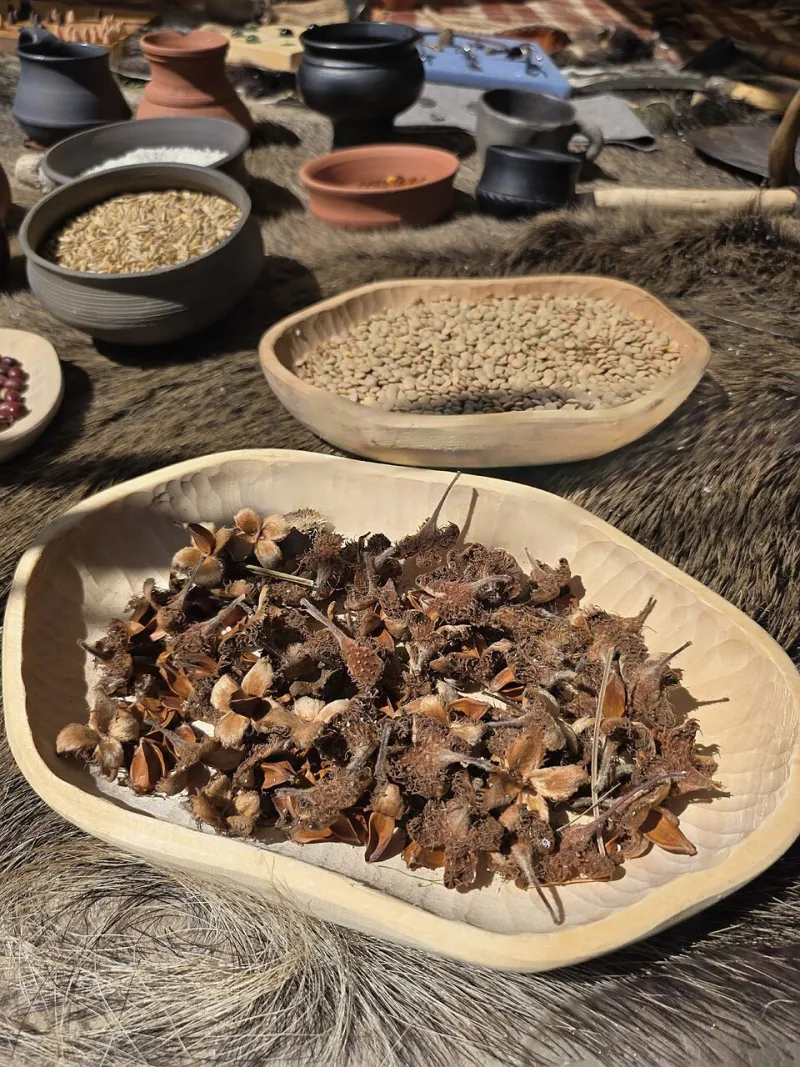
Photo: Auctor quaerendae, CC BY-SA 4.0, via Wikimedia Commons
Let's be honest: most of us aren't looking to reinvent dinner on a Tuesday night. The kids want something familiar, your partner is tired, and you've got about forty minutes before someone starts raiding the snack cabinet. The last thing you need is a culinary experiment.
Here's the good news. Swapping out conventional grocery store staples for heritage grain alternatives doesn't have to feel like a project. In a lot of cases, it actually simplifies things—better flavor, more staying power, and a pantry that works harder for you. These five swaps are the ones real Midwestern home cooks have been quietly making for years, and they slot right into the meals you're already cooking.
1. White Long-Grain Rice → Heirloom Medium-Grain Prairie Rice
This is the obvious one, but it's worth saying plainly: standard long-grain white rice is bred for consistency and shelf appeal, not flavor. It does the job, but it doesn't bring much to the table beyond starch.
Heirloom medium-grain varieties grown in the American heartland—think older cultivars from Arkansas, Missouri, or the Gulf Coast prairie region—have a natural nuttiness and a slightly firmer bite that makes them genuinely satisfying rather than just filling. They absorb broths and seasonings differently, too. Where conventional white rice kind of floats in a sauce, heritage medium-grain pulls it in.
For weeknight use, just cook it the same way you normally would. The ratio might shift slightly depending on the variety (check the bag), but the method is identical. Your family gets better flavor with zero extra effort on your end.
Best used in: Rice bowls, casseroles, stuffed peppers, fried rice
2. Instant Oatmeal Packets → Whole Oat Groats or Emmer Wheat Berries
Instant oatmeal packets are convenient, sure. They're also loaded with added sugar and processed to the point where most of the fiber and slow-burning energy has been cooked right out of them. If your mornings involve a blood sugar spike followed by a mid-morning crash, this swap might actually change your day.
Oat groats and emmer wheat berries take longer to cook—but here's the workaround that Midwest home cooks swear by: cook a big batch on Sunday, refrigerate it, and reheat throughout the week. Both grains reheat beautifully with a splash of milk or water. They're chewy, nutty, and filling in a way that instant oats simply aren't.
Emmer, one of the oldest cultivated wheats in North America, has a slightly earthy, almost caramel-like flavor that pairs well with maple syrup and fruit. It's genuinely good, not just good-for-you.
Best used in: Weekday breakfasts, overnight grain bowls, lunchbox thermoses
3. White Flour (for Thickening) → Ground Heritage Rice Flour
A lot of home cooks reach for all-purpose flour when they need to thicken a gravy, a soup, or a pan sauce. It works fine, but it can leave a slightly starchy, gluey texture if you're not careful about ratios.
Heritage rice flour—made from milled heirloom rice varieties—thickens more cleanly and disperses more evenly. It's also naturally gluten-free, which matters if you've got someone in the family who's sensitive. The flavor is neutral enough that it won't change the taste of your dish, but the texture of the finished sauce is noticeably smoother.
You can find heritage rice flour at specialty grocers or directly from small mills, and it keeps well in a sealed container in your pantry. Use it as a 1:1 replacement for all-purpose flour in most thickening applications.
Best used in: Gravies, cream soups, pan sauces, roux-based dishes
4. Boxed Pasta (as a Side) → Cooked Farro or Red Rice
Boxed pasta is a default side dish for a lot of American families—easy, fast, and universally accepted. Nothing wrong with that. But if you're looking for something that actually holds up in a lunchbox, doesn't turn to mush when reheated, and brings some real nutritional weight to the meal, farro and heritage red rice are both worth the small learning curve.
Farro, an ancient grain with deep roots in American heritage cooking, has a chewy, satisfying texture and a mild flavor that pairs with basically everything. Heritage red rice—varieties like Wehani or Carolina Gold Red—has an earthy depth and a beautiful color that makes a plate look like you actually tried.
Both cook in under 30 minutes, both reheat without getting weird, and both pack well for lunches without turning into a soggy mess. Toss either one with olive oil, a little salt, and whatever herbs you have around, and you've got a side dish that's doing real work.
Best used in: Weeknight sides, grain salads, packed lunches, potluck dishes
5. Breadcrumbs (Store-Bought) → Toasted Heritage Grain Crumble
This one sounds fancier than it is. Store-bought breadcrumbs are fine, but they're often stale-tasting and contribute almost nothing to a dish beyond crunch and filler. A heritage grain crumble—made by toasting cooked farro, rice, or even puffed amaranth in a dry skillet with a little butter and seasoning—does the same job with actual flavor.
It takes about five minutes. You can make a small jar of it and keep it in the fridge for a week. Sprinkle it over mac and cheese instead of breadcrumbs, use it to top a baked vegetable gratin, or add it to a salad for texture. It's the kind of small upgrade that makes a dish feel like it came from somewhere intentional.
Kids who are suspicious of "weird food" usually don't even register the swap. They just notice that dinner tastes a little better than usual.
Best used in: Casserole toppings, pasta bakes, salad croutons, stuffed mushrooms
A Note on Making It Stick
The reason most pantry overhauls fail is that they ask too much at once. You buy a dozen new ingredients, cook one ambitious meal, and then the rest sits in the cabinet until it's time to move.
These swaps work because they're one-to-one replacements inside meals you're already comfortable making. You don't need new recipes. You need the same recipes with better ingredients.
Start with one. Maybe it's the rice swap—just buy a bag of heritage medium-grain and use it the next time you'd normally reach for the store-brand long-grain. See how it goes. Chances are, your family won't say a word about the change. They'll just ask for seconds.
That's how the prairie pantry works. Not all at once. Just steadily, one good grain at a time.