What Modern Rice Gets Wrong: A Regional Cook's Case for Going Heritage
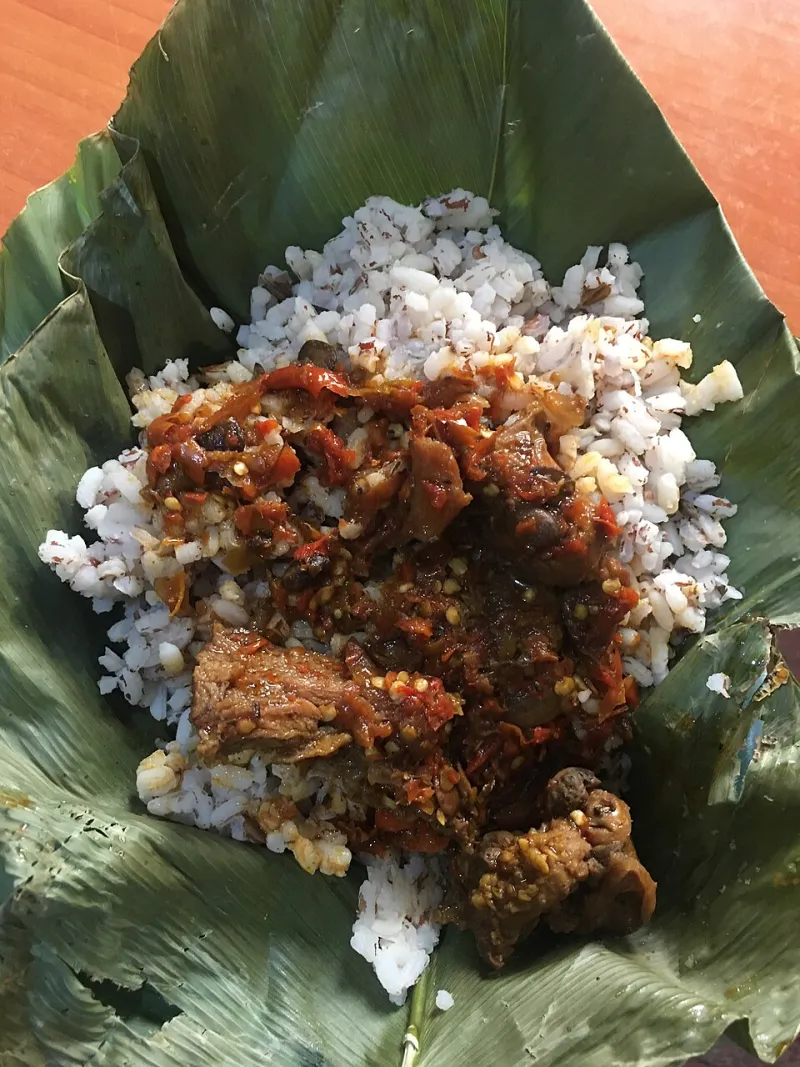
Photo: Beendy234, CC BY-SA 4.0, via Wikimedia Commons
There's a moment in every serious home cook's life when a recipe just won't cooperate. You follow the steps exactly, use the ingredients listed, and still—something's off. The dish tastes fine, maybe even good, but it doesn't taste right. For a lot of cooks working through classic American regional recipes, that moment of frustration eventually leads to the same uncomfortable question: what if it's the rice?
Not the technique. Not the stock. The rice.
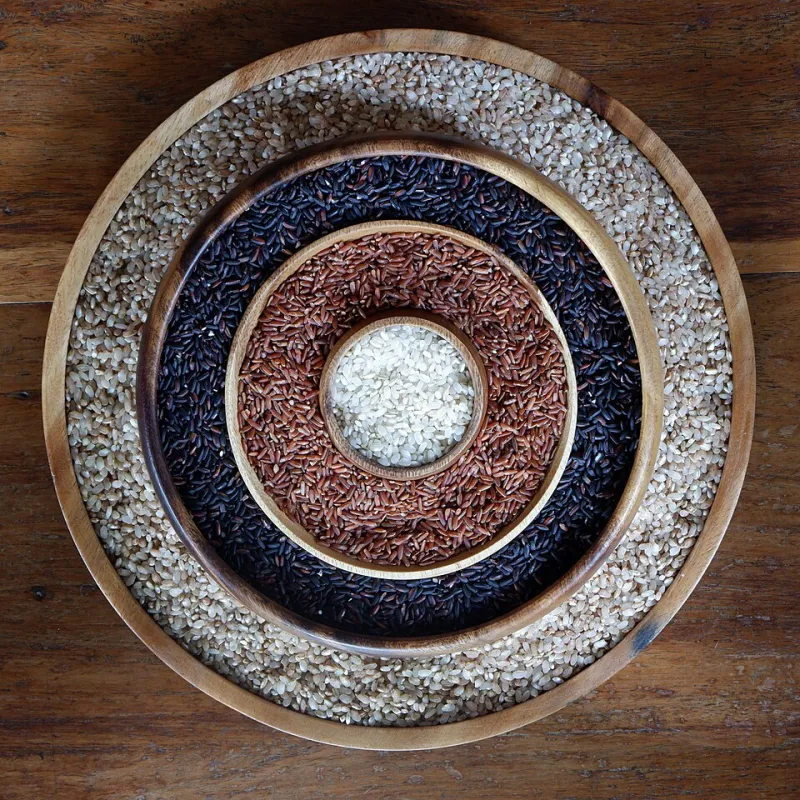
Modern commercial rice varieties are engineered for consistency, yield, and shelf stability. Those are genuinely useful qualities if you're running a large-scale food operation. But consistency across a thousand different growing environments often means averaging out the very characteristics that give a grain its personality. Heritage rice varieties—the kinds grown in specific American regions for generations before industrial agriculture reshaped the landscape—were never bred for uniformity. They were bred, slowly and deliberately, for place. And that difference shows up on the plate in ways that are hard to ignore once you've noticed them.
The Gumbo Test
Ask any Louisiana cook what they want from the rice at the bottom of a gumbo bowl, and the answer usually involves texture more than flavor. The grain needs to hold its shape against a long-simmered, deeply seasoned roux without turning to mush, while still absorbing enough of the broth to feel like part of the dish rather than a neutral base underneath it.
Commercial long-grain varieties—the kind you find in a two-pound bag at most grocery stores—can technically do this job. But chefs who've tested heritage varieties like Cajun Popcorn rice or the heirloom medium-grains historically cultivated along the Gulf Coast describe a noticeably different result. The grains stay distinct without feeling dry. They soak up flavor without losing structure. And there's a subtle nuttiness that commercial rice simply doesn't bring to the bowl.
Chef Marcus Thibodaux, who runs a small Creole-focused restaurant outside of Baton Rouge, made the switch to locally sourced heritage rice about three years ago. "People kept telling me my gumbo tasted different," he says. "Better, they said, but they couldn't figure out why. I hadn't changed anything else. Just the rice." He now sources his grain from a small farm about forty miles north of his kitchen and says he won't go back. "Commercial rice is like a blank wall. Heritage rice gives you something to work with."
Creole Rice Bowls and the Flavor-Absorption Question
Creole rice dishes—dirty rice, red beans and rice, rice and gravy—share a common structural demand: the grain needs to act almost like a sponge, pulling in seasoned fat and spice while maintaining enough of its own character to matter. This is where the starch composition of different rice varieties becomes genuinely relevant to the cook, not just the agronomist.
Heritage varieties tend to have more complex starch profiles than their modern counterparts. That complexity translates into a grain that absorbs cooking liquid at a different rate—slower, more controlled—and releases starch in a way that creates a slightly creamier texture in the finished dish without requiring extra butter or cream. In a dirty rice preparation, this means the pork fat and chicken liver drippings coat the grain more evenly, and each bite delivers a more unified flavor rather than a mouthful of seasoning with a neutral rice center.
This isn't just subjective preference. Side-by-side cooking tests—comparing commercial long-grain against heirloom varieties in identical dirty rice preparations—consistently show that heritage grains produce a dish where the rice itself registers as a flavor component rather than a filler. The difference is subtle in isolation but significant in the context of a recipe that's supposed to taste like somewhere specific.
Moving North: Heritage Grains in Midwest Comfort Cooking
The case for heritage rice doesn't begin and end in the South. Midwestern comfort cooking has its own rice traditions, even if they're less celebrated than their Louisiana counterparts. Creamy rice casseroles, wild rice soups, and grain-forward hot dishes have anchored Midwest tables for generations—and the best versions of these recipes were built around grains with real regional character.
Wild rice, which is technically a separate grain species but culturally inseparable from the upper Midwest food tradition, is the most obvious example. Commercially processed wild rice is often parboiled or pre-cracked to speed up cooking time, a process that strips away the slightly smoky, almost grassy flavor that makes hand-harvested wild rice from Minnesota or Wisconsin taste the way it does. Cooks who've used genuine hand-harvested grain in a traditional wild rice soup describe it as transformative—a dish that suddenly makes sense in a way it didn't before.
Chef Annika Sorensen, who operates a farm-to-table restaurant in the Twin Cities, sources her wild rice from a family operation on the White Earth Nation and calls the flavor difference "night and day." She uses the same basic soup recipe she learned from her grandmother, but says the heritage grain version tastes like the one she remembers. "Commercial wild rice tastes like a version of wild rice," she explains. "The real stuff tastes like a lake in October."
Why Modern Hybrids Fall Short in Regional Recipes
The core issue isn't that modern hybrid rice varieties are bad. They're not. They're reliable, affordable, and widely available—all things that matter in a practical kitchen. The problem is that regional American recipes weren't written for reliable and average. They were written for specific, and specific is something heritage grains do better almost by definition.
When a recipe calls for rice in a Louisiana context, it's drawing on a culinary tradition built around grains that grew in Louisiana soil, absorbed Louisiana humidity, and were cooked by people who understood exactly what those grains would do in a pot. Swapping in a hybrid variety developed for maximum yield in controlled growing conditions isn't a neutral substitution. It changes the dish in ways that are hard to articulate but easy to taste.
Chefs who've made the switch to heritage varieties consistently report the same pattern: customers notice something's different without knowing what it is. Dishes taste more complete, more coherent, more like the version they remember from a grandmother's kitchen or a restaurant trip years ago. That's not nostalgia talking. That's flavor doing its job.
Making the Switch at Home
You don't need a restaurant budget or a wholesale grain supplier to start cooking with heritage rice. Small farms and regional grain producers across the country sell directly to consumers online, and farmers markets in most mid-sized cities now carry at least one or two heritage grain options. The price difference is real—heritage varieties typically cost more per pound than commercial rice—but the quantity required per recipe is often the same, and the flavor payoff makes it easy to justify.
Start with one recipe you already know well. Make it with a heritage grain sourced from the same region the dish comes from, if you can manage it. Then taste it against your usual version. The comparison is more instructive than any amount of reading, and it tends to answer the question of whether heritage rice is worth the extra effort pretty quickly.
For most cooks who try it, the answer is yes—and then they start wondering what took them so long.