5 Prairie Root Vegetables You're Sleeping On (Plus Simple Ways to Cook Them This Fall)
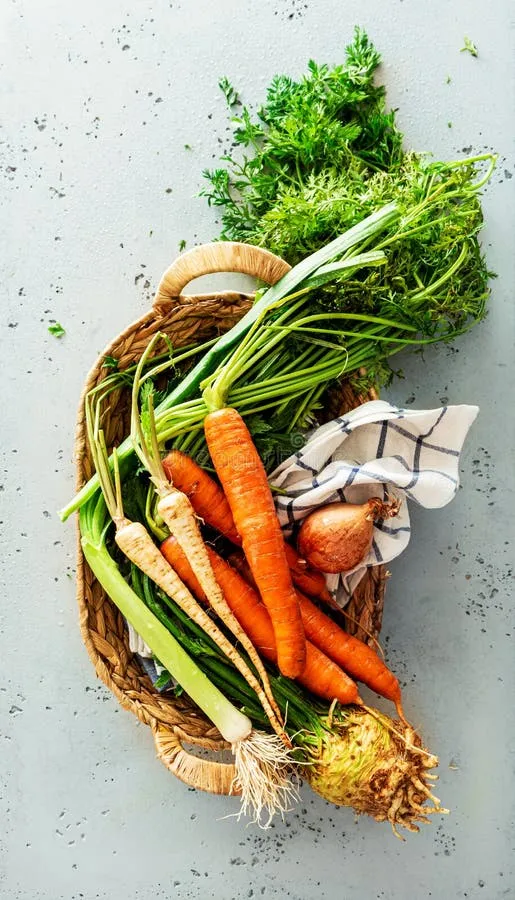
Photo: fall root vegetables harvest basket parsnips celeriac farmers market rustic, via thumbs.dreamstime.com
Let's be honest: the root vegetable section of most American grocery stores is a little sad. Carrots, potatoes, maybe some beets if you're lucky. But walk through a Midwestern farmers market in October and you'll find a completely different world — knobby, dirt-dusted, deeply aromatic vegetables that have been feeding prairie families since long before anyone thought to put them on a restaurant menu.
These aren't trendy superfoods with a marketing budget. They're the real deal: crops that thrive in prairie soils, store beautifully through cold winters, and taste genuinely incredible when you know what to do with them. Here are five root vegetables worth putting in your cart this fall, along with some no-fuss ways to get them on your table.
1. Parsnips — The Sweeter Cousin Nobody Talks About
Peak harvest: Late October through December (frost actually improves flavor) Storage: Refrigerator crisper drawer, up to 3 weeks; or root cellar for months
If you've only ever seen parsnips as an afterthought in a bag of soup mix, you've been shortchanged. These pale, carrot-shaped roots have a natural sweetness that deepens dramatically after a hard frost — the cold converts their starches to sugar in a process that prairie farmers have relied on for centuries.
Parsnips were a staple crop across the Great Plains long before the potato fully took over, and they deserve a comeback. Their flavor is hard to describe — somewhere between a carrot, a sweet potato, and a hint of vanilla, with an earthy backbone that makes them endlessly versatile.
Simple way to cook them: Slice parsnips into thin rounds, toss with olive oil, a pinch of salt, and a drizzle of honey, then roast at 425°F until the edges caramelize and turn golden — about 25 minutes. Serve alongside a bowl of wild rice or as a side to roasted chicken. The sweetness plays beautifully against savory grains.
Prairie pairing: Roasted parsnips alongside a wild rice pilaf with toasted pecans and dried cranberries is a heartland fall dinner that doesn't need anything else.
2. Celeriac — Ugly on the Outside, Incredible on the Inside
Peak harvest: September through November Storage: Refrigerator, up to 2 weeks once cut; uncut in a cool dry place for several weeks
Celeriac — also called celery root — is genuinely one of the strangest-looking vegetables in existence. It's a gnarled, hairy, knobby brown sphere that resembles something you'd find in a fantasy novel rather than a kitchen. Don't let that stop you.
Peel away the rough exterior and you'll find creamy white flesh with a mild celery flavor and a texture that's somewhere between a potato and a turnip. It's fantastic raw (shredded into slaws), roasted, or pureed into one of the silkiest, most elegant mashed side dishes you've ever eaten.
Celeriac thrives in the cool, loamy soils of the upper Midwest, and small-scale prairie farmers have been quietly growing it for generations — mostly for their own tables, since commercial demand never quite materialized.
Simple way to cook them: For a weeknight win, peel and cube celeriac, boil until tender (about 15 minutes), then mash with butter, a splash of cream, and fresh thyme. It's lighter than mashed potatoes but just as comforting, with an herbal complexity that pairs beautifully with braised meats or a hearty lentil soup.
Prairie pairing: Celeriac mash under a slow-braised short rib is cold-weather comfort food at its most honest.
3. Rutabaga — The Root That Built the Prairie Winter
Peak harvest: October through November Storage: Refrigerator for up to 2 weeks; root cellar for months
Ask anyone whose family homesteaded the northern plains and they'll tell you about rutabagas. This dense, purple-tinged root was a genuine survival crop — it stores for months without refrigeration, grows reliably in short-season climates, and provides real nutritional substance through long winters when fresh vegetables were otherwise impossible to come by.
Rutabagas have a bolder, more assertive flavor than turnips — earthy, slightly bitter, with a sweetness that softens considerably with heat. They're high in vitamin C and fiber, and their sturdiness means they hold up beautifully in long braises and stews without turning to mush.
The challenge is that rutabagas have a bit of an image problem. They're associated with scarcity and wartime rationing in a way that's made modern cooks overlook them. That's a shame, because a well-cooked rutabaga is genuinely delicious.
Simple way to cook them: Cube rutabaga and add it to a slow-cooker beef stew alongside carrots and onions. It'll absorb the savory broth and turn silky and rich over 6-8 hours. Alternatively, roast cubed rutabaga with olive oil and smoked paprika at 400°F for 35-40 minutes — the smoky seasoning tames its natural bitterness beautifully.
Prairie pairing: Rutabaga and barley soup with smoked sausage is the kind of meal that makes a cold Tuesday in November feel like something worth celebrating.
4. Sunchokes (Jerusalem Artichokes) — The Native American Root Worth Rediscovering
Peak harvest: October through February Storage: Refrigerator crisper drawer, up to 2 weeks; or leave in the ground until needed
Despite the name, Jerusalem artichokes have nothing to do with Jerusalem and aren't related to artichokes. They're the tubers of a native North American sunflower species — and Indigenous communities across the Great Plains cultivated and ate them long before European settlers arrived.
Sunchokes look like knobby, tan-skinned ginger roots and have a flavor that's genuinely surprising: sweet, nutty, and faintly reminiscent of artichoke hearts, with a crisp texture when raw that softens to something almost creamy when cooked. They're high in inulin — a prebiotic fiber that feeds beneficial gut bacteria — though fair warning, eating a large quantity of them raw can cause, shall we say, digestive enthusiasm. Cook them well and this is much less of an issue.
They're incredibly easy to grow, nearly indestructible in prairie soils, and almost completely ignored by mainstream American cooking. That's starting to change as chefs rediscover their culinary versatility.
Simple way to cook them: Scrub (don't bother peeling — the skin is thin and edible), slice into half-inch rounds, and roast at 400°F with olive oil, garlic, and fresh rosemary until golden and tender, about 30-35 minutes. They caramelize beautifully and develop an almost nutty, toasty depth that's completely addictive.
Prairie pairing: Roasted sunchokes alongside a brown rice bowl with pickled vegetables and a tahini drizzle bridges the gap between heartland tradition and modern grain bowl culture effortlessly.
5. Kohlrabi — The Space-Age Vegetable Prairie Gardens Forgot
Peak harvest: September through October (fall crop is sweeter than spring) Storage: Refrigerator, up to 2 weeks; remove leaves and store separately
Kohlrabi looks like something a science fiction writer designed — a pale green or purple globe with shoots sprouting in every direction. German and Eastern European immigrant communities brought it to the Midwest in the 19th century, and for a while it was a common sight in prairie kitchen gardens. Then it gradually disappeared from American tables, even as it remained popular across Europe.
The flavor is mild and slightly sweet — think of a broccoli stem crossed with a water chestnut, with a satisfying crunch that holds up remarkably well both raw and cooked. The fall crop, harvested after cooler temperatures set in, tends to be noticeably sweeter and more tender than spring kohlrabi.
Both the bulb and the leaves are edible. The leaves can be sautéed like kale; the bulb can be eaten raw, roasted, or shredded into slaws and salads.
Simple way to cook them: Peel and cut kohlrabi into matchsticks, then toss raw with shredded apple, a light apple cider vinegar dressing, and toasted walnuts for a fall slaw that's bright, crunchy, and genuinely refreshing alongside rich braised dishes. Or roast thick wedges at 425°F with olive oil and caraway seeds for a deeply savory side.
Prairie pairing: Kohlrabi slaw over a rice bowl with braised pulled pork and a tangy mustard sauce is a Midwestern flavor combination that feels both familiar and completely fresh.
A Note on Finding These Vegetables
Your best bet for all five of these roots is a local farmers market or a community-supported agriculture (CSA) box from a regional farm. Many conventional grocery stores stock parsnips and celeriac through fall and winter, and rutabagas are increasingly common in the produce section. Sunchokes and kohlrabi may take a little more hunting — specialty grocers, natural food stores, or a direct relationship with a small-scale prairie farmer are your best options.
If you have even a small garden patch, kohlrabi and sunchokes are both remarkably easy to grow in most of the continental US, and the satisfaction of pulling your own roots out of the ground before a fall dinner is hard to beat.
The prairie has always known how to feed people through the cold months. These five vegetables are part of that story — and they're ready for their second act.