Swap Smarter, Not Harder: A Budget-Friendly Path to a Heritage Grain Pantry
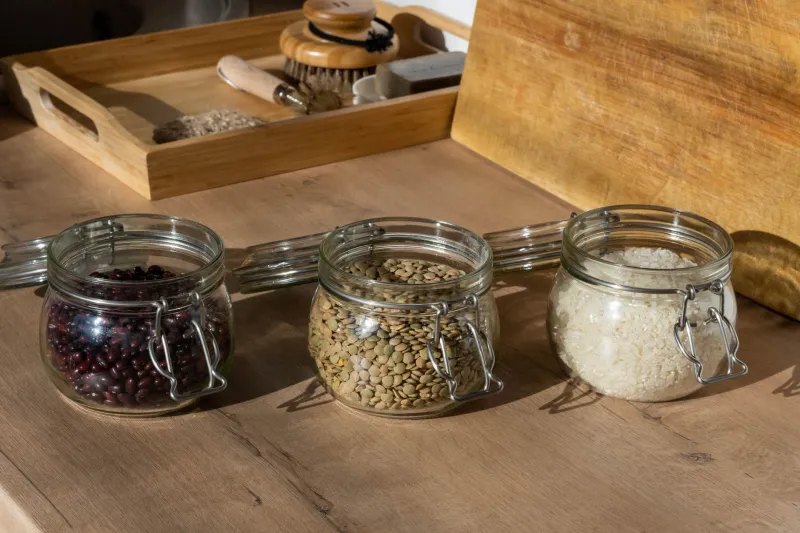
Let's get one thing out of the way right off the bat: nobody's asking you to toss every box of instant rice and bag of all-purpose flour into the trash and start over. That's not how real people cook, and it's definitely not how real budgets work. What we are suggesting is a slower, smarter approach — one swap at a time, one payday at a time, until your pantry looks a little more like your great-grandmother's and a little less like a convenience store shelf.
Heritage grains have a reputation for being pricey, and honestly, that reputation isn't entirely wrong. A two-pound bag of heirloom red rice from a Midwestern farm will cost you more per ounce than the generic white rice sitting next to it. But cost per ounce isn't the whole story — and once you start cooking with these grains, you'll understand pretty quickly why the comparison doesn't quite hold up.
What You're Actually Paying For
Conventional white rice is processed down to almost nothing. The bran is stripped, the germ is removed, and what's left is a starchy filler that cooks fast and tastes like whatever you season it with. Heritage varieties — think red Bhutan rice from Arkansas farms, heirloom black japonica from California's Sacramento Valley, or short-grain brown rice grown in the Missouri River basin — keep all that bran and germ intact. That means more fiber, more protein, more of the minerals your body actually uses.
Here's where the budget math gets interesting. A cup of dry heritage brown rice yields roughly two and a half cups cooked. The same cup of conventional white rice gives you about three cups, but it's nutritionally hollow by comparison. When you're eating food that actually satisfies you, you tend to eat a little less of it. Ask anyone who's made the switch — portion sizes shift naturally, and a bag of heritage grain stretches further than you'd expect.
A rough price comparison at most online farm-direct retailers or co-ops:
- Conventional long-grain white rice: roughly $0.08–$0.12 per ounce
- Heritage brown or red rice: roughly $0.20–$0.35 per ounce
- Heirloom emmer wheat berries: roughly $0.18–$0.28 per ounce
Yes, you're paying more upfront. But when you factor in nutrition density, shelf life (heritage grains stored properly can last years), and the fact that you're buying direct from American farms rather than funding overseas commodity chains, the math starts looking different.
The One-Bag-at-a-Time Strategy
This is the approach that actually works for most home cooks. Instead of overhauling your entire pantry, pick one item to replace on your next shopping run. When you run out of regular white rice, replace it with a heritage variety. When your all-purpose flour runs low, try swapping half of it with an heirloom wheat flour or sorghum blend.
Jessica T., a home cook from Omaha, Nebraska, started doing this about two years ago after her daughter developed some digestive sensitivities. "I couldn't afford to buy everything fancy all at once," she says. "So I just started replacing things as they ran out. It took maybe four months before my pantry felt genuinely different, and I never noticed a big hit to my grocery bill."
That slow-roll approach is smart for another reason: it gives you time to actually learn how to cook each grain before the next one arrives. Heritage grains often have different water ratios, different cook times, and different flavor profiles than their conventional counterparts. Rushing the learning curve by buying ten new things at once is a recipe for frustration and wasted food.
Meal Planning Around Heritage Grains
One of the easiest ways to make heritage grains work on a budget is to build meals around them intentionally rather than treating them as an afterthought. Grains are cheap calories — even the fancy heirloom kind. When you put them at the center of the plate instead of the side, your grocery bill for proteins and produce can actually go down.
Try a weekly grain bowl night. Cook a big batch of heritage rice or farro at the start of the week, then build simple bowls throughout the next few days using whatever vegetables and proteins you have on hand. A pot of red rice topped with roasted root vegetables and a fried egg costs maybe $2.50 per serving and takes about fifteen minutes of active cooking time.
Other budget-friendly meal frameworks that shine with heritage grains:
- Grain-forward soups and stews. Heirloom barley or wild rice stretches a pot of vegetable soup significantly without adding much cost.
- Stuffed vegetables. Bell peppers, acorn squash, or cabbage leaves stuffed with heritage rice and sautéed aromatics make a filling dinner for a family of four for under $12.
- Breakfast porridge. Steel-cut heirloom oats or cracked emmer cooked low and slow beat oatmeal packets on both flavor and cost per serving.
Where to Buy Without Overpaying
Farm-direct is almost always the best value for heritage grains. Many Midwestern farms sell online in bulk quantities — five or ten-pound bags — at prices that undercut specialty grocery stores significantly. Community-supported agriculture (CSA) programs sometimes include grain shares, and regional food co-ops often carry heritage varieties at competitive prices.
A few practical tips:
- Buy in bulk when you can. The per-ounce price drops considerably on larger bags, and heritage grains store beautifully in airtight containers in a cool, dark pantry.
- Split an order with neighbors or friends. A ten-pound bag of heirloom rice is a lot for one household but perfectly reasonable split between two or three families.
- Check farmers markets in late summer and fall. That's when grain farmers often bring fresh-harvested stock, sometimes at introductory prices.
The Long Game
Darrell M., a retired schoolteacher from rural Kansas, made the switch to heritage grains slowly over about three years. "At first I thought it was a luxury thing, something for people with more money than sense," he admits. "But then I started looking at what I was actually buying. Cheap rice that goes bad in a year. Flour that doesn't taste like anything. I figured out pretty fast that I was paying for convenience I didn't actually need."
He now buys heritage wheat berries in twenty-pound bags from a farm about sixty miles away, grinds his own flour a few cups at a time, and hasn't bought store bread in two years. His grocery bill is lower than it was before he started.
That's the real pitch for heritage grains as a budget strategy: they're not a splurge, they're an investment. One that pays off in flavor, nutrition, shelf stability, and the quiet satisfaction of knowing exactly where your food came from — right here, from American soil, by American hands.
Start with one bag. See how it goes. Your pantry will get there.