Growing Your Own: The Backyard Farmers Bringing Heritage Rice and Prairie Grains Home
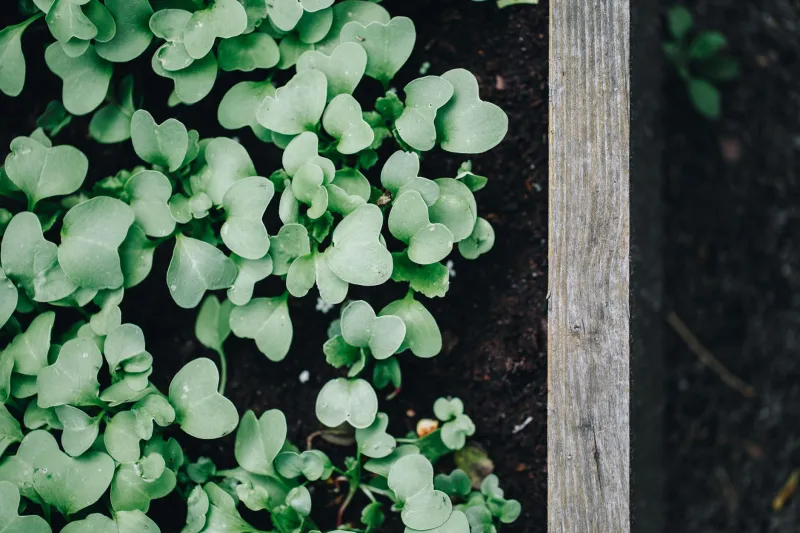
Maria Chen's backyard in Columbus, Ohio isn't what most people picture when they think about rice farming. It's a modest quarter-acre lot with a wooden fence, a raised bed section, and a small low-lying area near the back where the drainage has always been a little slow. For most gardeners, that soggy corner would be a headache. For Maria, it turned into a heritage rice paddy.
"I started with a five-gallon bucket," she says, laughing. "Just to see if it would work. And then it did, and I got a little obsessed."
Maria is part of a loosely connected, geographically scattered movement of home growers who are experimenting with cultivating heritage rice and heirloom prairie grains — not on farms, but in backyards, community gardens, suburban lots, and rooftop containers. They're doing it for different reasons: food self-sufficiency, curiosity, a connection to family heritage, or simply the satisfaction of eating something they grew themselves from seed to table.
What they're discovering is that heritage grains are more adaptable, more forgiving, and more rewarding than most people give them credit for.
Rice in Places It Wasn't Supposed to Grow
Conventional wisdom says rice needs flooded paddies, tropical climates, and industrial irrigation infrastructure. And large-scale commercial rice production does require all of those things. But heritage varieties — many of them developed by small-scale farmers over centuries before industrial agriculture existed — often carry more genetic flexibility than their commercial cousins.
Upland rice varieties, in particular, don't require flooding at all. They're grown like any other grain crop, in well-amended soil with consistent moisture. Varieties like Duborskian, a short-season upland rice developed in Russia and now popular with American home growers, can be cultivated as far north as Minnesota with the right timing.
Tom Briggs, a retired engineer in Lawrence, Kansas, grew his first experimental plot of upland heritage rice four summers ago in a raised bed that had previously hosted tomatoes. "I kept reading that you couldn't grow rice in the Midwest without flooding, and I got stubborn about it," he says. "Turns out you absolutely can. It's not the highest yield in the world, but the rice is extraordinary. Nothing like what you buy in a bag."
Tom now grows three upland varieties in rotation across four raised beds, saving seed each year and trading with other home growers through an informal network he found through a regional seed-saving organization.
Prairie Grains Come Home
Rice gets the headlines, but it's only part of this story. Home growers across the Great Plains and Midwest are also experimenting with heirloom wheat, emmer, einkorn, and sorghum — grains that were staples of prairie agriculture for generations before commodity farming pushed them aside.
Sarah Kowalski tends a community garden plot in Sioux Falls, South Dakota, where she grows emmer wheat alongside vegetables. She started after attending a heritage grain workshop at her local food co-op and leaving with a small packet of seeds and a lot of questions. "I honestly didn't know if it would work," she says. "But emmer is incredibly tough. It handled a late frost, a dry stretch in July, and some pretty serious grasshopper pressure. And the flavor when I made bread from it — I just couldn't believe it came from my own plot."
Emmer and einkorn, two of the oldest cultivated wheat varieties in human history, are experiencing a genuine grassroots revival in the American heartland. They require less nitrogen than modern wheat, tend to be more resistant to certain diseases, and produce a grain with a nuttier, more complex flavor profile that bakers find genuinely exciting to work with.
Getting Started: What Home Growers Actually Need
The learning curve is real, but it's not as steep as most people assume. Here's what experienced home grain growers consistently recommend for beginners:
Start with upland rice or small grains, not paddy rice. Unless you have a naturally wet area or are committed to building a container paddy system, upland rice and small grains like emmer or sorghum are far easier entry points. They grow in regular garden soil and don't require any special water management infrastructure.
Source seeds carefully. Not all heritage grain seeds are equal, and variety selection matters enormously for your specific region and microclimate. Seed libraries, regional seed-saving networks, and small farm seed companies are your best resources. Organizations like the Seed Savers Exchange maintain extensive collections of heirloom grain varieties with detailed regional performance notes.
Think small first. A four-by-eight raised bed planted with heritage wheat or upland rice won't feed your family for a year, but it will teach you more about grain growing than any book can. Manage expectations, learn the crop, and scale up gradually.
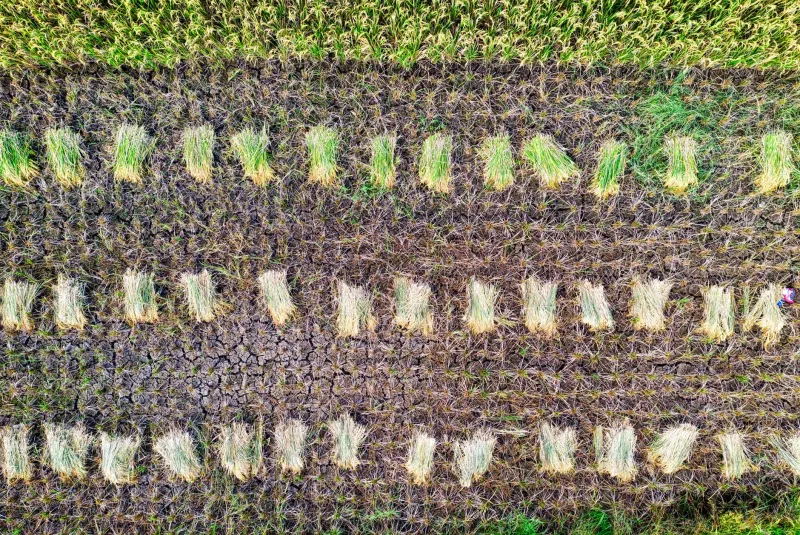
Plan for threshing. This is where many first-time grain growers get surprised. Getting the grain off the plant and out of the hull requires some processing, even at small scales. Simple hand-threshing methods work fine for backyard quantities, but it's worth researching before harvest time arrives.
Save your seed. Heritage and heirloom varieties are open-pollinated, which means the seeds you harvest will grow true to type the following season. Saving seed is one of the most powerful things a home grower can do — it builds your own adapted seed stock and contributes to the broader movement of keeping these varieties alive.
Community Gardens as Grain Labs
Some of the most interesting experimentation is happening not in backyards but in community garden settings, where multiple growers can share space, knowledge, and resources.
In Minneapolis, a community garden near the Seward neighborhood has dedicated two large plots to heritage grain trials for the past three years. Participants grow different varieties side by side, compare notes on performance and flavor, and collectively process the harvest using borrowed equipment from a local farm cooperative.
"It's become one of the most popular parts of the garden," says the site coordinator, who asked to be identified only as Marcus. "People come in thinking vegetables and leave thinking about grain. It changes how they understand food systems — like, oh, this is where this actually comes from."
That shift in perspective is something nearly every home grain grower mentions. When you grow even a small amount of your own rice or wheat, the relationship to those staples changes permanently. The bag on the store shelf looks different. The meal on the table carries a different weight.
Why This Matters Beyond the Garden Fence
Home and community grain growing isn't going to replace commercial agriculture anytime soon. The volumes are too small and the labor too intensive for that to be realistic at scale. But that's not really the point.
What this movement is doing is keeping genetic diversity alive. Every home grower who saves seed from an heirloom variety is contributing to a distributed preservation network that no single institution could maintain on its own. And every person who grows their own grain — even a single raised bed's worth — becomes a more informed, more engaged participant in the food system.
For Maria Chen in Columbus, the harvest from her backyard paddy amounts to maybe eight pounds of heritage rice a year. Not a lot. But enough for a dozen special meals, enough to share with neighbors, and enough to remind her every time she cooks it that food has a place, a season, and a story.
"It tastes like my backyard," she says. "I know that sounds strange. But it really does. And that's the whole point."