When the Grocery Shelves Go Empty, Heritage Grains Are Still Good

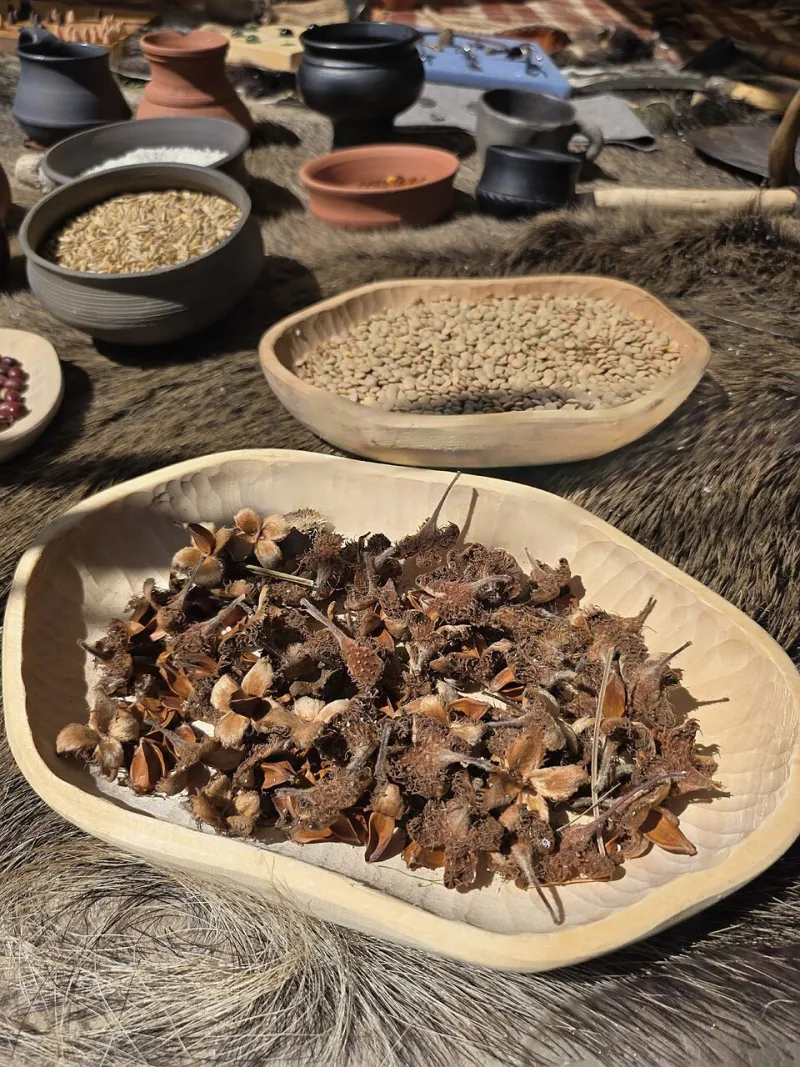
Photo: Karandesar, CC BY-SA 4.0, via Wikimedia Commons
Most of us have opened a bag of conventional white rice expecting dinner and found something closer to a science experiment—tiny weevils threading through the grains, a faint musty odor, or clumps that stick together in ways rice really shouldn't. It's frustrating, especially when that bag was supposed to last.
But here's the thing: not all rice ages the same way. And for people who've been quietly stocking heritage grains and heirloom rice varieties for years, pantry failures like that are genuinely rare. There's a reason for that, and it goes a lot deeper than just buying a fancier product.
What's Actually Happening Inside That Bag of Conventional Rice
To understand why heritage grains hold up, you first have to understand why modern ones don't.
Conventional white rice—the kind sold in most American grocery stores—is milled to a very high degree. That process strips away the bran layer and most of the germ, which does make the rice cook faster and look uniform. But it also removes the natural oils and micronutrients that help the grain stay stable over time. What you're left with is essentially a starch delivery system, and starch alone doesn't have much built-in protection against moisture, temperature swings, or insects.
"The milling process that makes conventional rice shelf-stable in the short term actually undermines its long-term resilience," says Dr. Mara Clessen, a food scientist based in the Upper Midwest who has spent years studying grain preservation. "You're removing the very compounds that give the grain a kind of biological armor."
That biological armor, it turns out, is exactly what heritage varieties still have.
The Quiet Chemistry of an Heirloom Grain
Heritage rice varieties—think Cajun Chef popcorn rice, Carolina Gold, or the black and red heirloom rices grown across the Mississippi Delta and parts of the prairie states—are typically processed far less aggressively than their modern counterparts. Many are sold as brown rice or only lightly milled, meaning the bran and germ layers remain largely intact.
Those layers matter enormously. The bran contains natural antioxidants and oils that act as a kind of internal preservative system. The lower moisture content typical of heritage grains—often several percentage points below conventional varieties—also makes them a much less hospitable environment for the pantry pests that plague standard grocery staples.
"Insects and mold both need moisture to establish themselves," Dr. Clessen explains. "A grain that's been naturally dried to a lower moisture level, and that hasn't had its protective layers stripped away, is genuinely harder to colonize. It's not magic—it's just biology working the way it was supposed to."
There's also a genetic component worth mentioning. Heritage varieties were selected over generations, often centuries, for their ability to survive in specific regional environments—including periods of drought, flood, and temperature extremes. That resilience doesn't disappear once the grain is harvested. It's baked into the seed itself.
Talking to the Long-Haulers
Among the most enthusiastic advocates for heritage grain storage aren't preppers or survivalists—they're home cooks and small-scale farmers who simply got tired of throwing food away.
Take Linda Pruett, a home cook from central Kansas who started building what she calls her "grain pantry" about fifteen years ago after a winter storm left her family without reliable grocery access for nearly two weeks. "I had conventional rice and pasta in the house, and a lot of it had already gone bad without me realizing it," she says. "After that, I started researching what actually keeps."
What she found led her to heritage grains. Today, Linda stores several varieties of heirloom rice alongside heritage wheat berries and a rotating stock of dried beans, all in sealed glass jars in a cool corner of her basement. "I've got grain in there that's four, five years old and still cooks up perfectly," she says. "I've never had a weevil problem. Not once."
Her experience lines up with what food scientists describe as the practical ceiling for heritage grain storage: properly stored in airtight containers, away from heat and light, many heritage varieties remain fully viable for five to ten years. Some wheat berries stored under ideal conditions have been documented as still germinating after twenty or more years—a longevity that conventional flour couldn't approach in its wildest dreams.
Building a Heritage Grain Emergency Supply That Actually Works
If you're thinking about putting together a long-term grain pantry, the good news is that it doesn't require a lot of specialized equipment or a root cellar. It does require a little intentionality.
Start with the right varieties. Not all heritage grains store equally well. Brown heritage rice, whole wheat berries, and hull-less oat varieties tend to be among the most shelf-stable options when stored correctly. Lightly milled rices like red cargo rice or black japonica are good middle-ground options if you want something that cooks a bit faster but still has more resilience than conventional white rice.
Container choice matters more than you'd think. Glass mason jars with tight-fitting lids are a practical and affordable option for most home storage. Mylar bags with oxygen absorbers are the gold standard for truly long-term storage—the oxygen-free environment dramatically slows oxidation of the natural oils in the grain. Food-grade buckets with gamma-seal lids work well for larger quantities.
Keep it cool, dark, and dry. This sounds obvious, but it's worth repeating because so many pantry spaces are actually poorly suited for grain storage—too warm in summer, too prone to humidity shifts. A basement, interior closet, or even a dedicated cabinet away from the stove and refrigerator (both of which generate heat) will make a significant difference in how long your grains stay fresh.
Rotate your stock. Even the most resilient heritage grain benefits from being used and replaced on a reasonable schedule. Aim to use and replenish your supply every two to three years for everyday grains, and reserve your truly long-term storage for genuine emergency use.
Buy from sources you trust. Heritage grain quality varies depending on how the grain was grown, harvested, and handled. Buying directly from regional producers or heritage grain co-ops—many of which operate across the prairie states and the South—gives you a better chance of getting grain that was processed and stored carefully from the start.
The Bigger Picture
There's something quietly satisfying about the idea that the oldest cultivated grains we have are also among the most durable. It's a little counterintuitive in a food culture that tends to associate freshness with modernity and longevity with heavy processing.
But heritage grains didn't survive centuries of farming, migration, and agricultural upheaval by being fragile. They survived because they were adapted—by generations of farmers and the land itself—to endure. Bringing them into your pantry isn't just a culinary choice. It's a small act of reconnecting with a food system that was built to last.
And when the grocery shelves are unexpectedly bare? That bag of Carolina Gold sitting in your basement is going to look pretty good.