Where the Grain Goes After the Combine: Following One Bag of Heritage Rice Through the Mills and Elevators Most Food Writers Never Visit
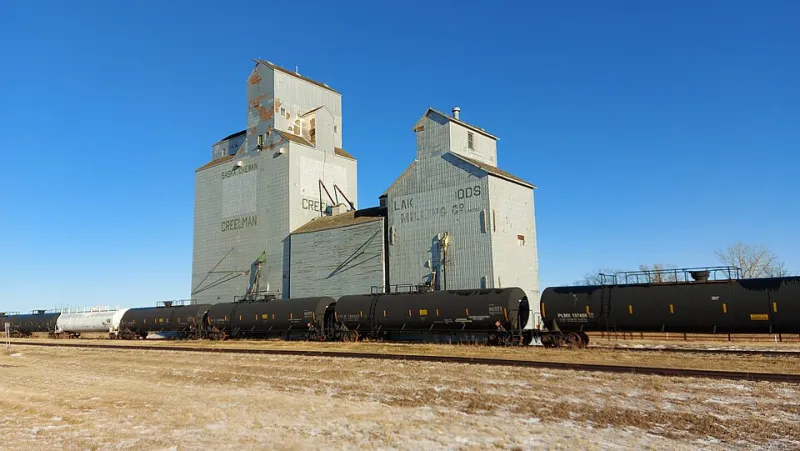
Photo: Masterhatch, CC BY-SA 4.0, via Wikimedia Commons
The Bag on the Shelf Started Somewhere
You've probably read a dozen articles that end with the farmer. The fields get photographed, the farmer gets quoted, and then — poof — the story jumps to the chef or the recipe. But between that beautiful field and your Tuesday night dinner, there's an entire invisible economy humming along two-lane roads: the mills, the elevators, the seed cleaners, the truckers. Without them, farm-to-table is just a slogan.
Last October, we followed one batch of heritage rice through that middle stretch. What we found was a network held together by handshake deals, third-generation equipment, and people who genuinely love this work.
Stop One: The Elevator at the Edge of Town
The grain elevator outside Holloway — the kind with paint peeling off a faded co-op logo from 1962 — is where our rice first landed after harvest. Elevators like this one aren't glamorous. They're corrugated steel and augers and a scale that's older than the current manager.
"People think we just dump grain in a hole," says Dale, who's run the elevator for twenty-two years. "But we're the first checkpoint. If the rice comes in too wet, too dirty, or mixed with something it shouldn't be, that's on us to catch it before it becomes somebody else's problem."
Dale tests moisture on every load, logs the lot number, and keeps heritage grain segregated from commodity crops. That last part matters more than you'd think. Heritage rice commands a premium precisely because it isn't blended into anonymity — and keeping it that way takes deliberate effort at every step.
Stop Two: The Mill That Runs on Family and Fix-It Knowledge
Forty minutes down the highway, our rice arrived at a family-owned mill that processes heritage grains for regional co-ops and independent grocers. The operation is small by industry standards — a handful of employees, most of them related by blood or by decades of working side by side.
Milling heritage rice is a gentler, fussier job than running commodity grain. The mill has to be adjusted for the grain's particular hull and bran structure, and the miller, Renee, treats her equipment like a musical instrument.
"Every variety mills a little different," she explains, hand on the humming huller. "I can hear when the setting's off. My dad taught me that, and his dad taught him. You don't learn that from a manual."
The rice leaves the mill as polished, shelf-ready grain — but still not done. Because here's the thing about short supply chains: they only stay short if someone chooses, over and over, to keep them that way.
Why the Middle Matters
It would be cheaper for a heritage rice farmer to ship raw grain to a massive industrial facility a thousand miles away. It would be cheaper for the co-op to consolidate with a national distributor. Every step of the local chain survives because someone decided the margin was worth it — and because customers, sometimes without realizing it, back them up.
When you buy heritage rice from a regional grocer or a co-op shelf, you're not just paying for the grain. You're paying to keep Dale's elevator open, to keep Renee's mill humming, to keep the trucks rolling on the two-lanes. You're funding the infrastructure that lets a small farmer stay small and independent.
Stop Three: The Shelf — and the Loop Closes
Our batch ended up at a natural foods co-op in a college town, stacked in clear bags with a hand-written tag noting the farm and the harvest month. A store manager there told us those tags matter. "People pick up the bag, read the farm name, and they feel connected. That doesn't happen with a five-pound commodity sack."
The loop, of course, doesn't really close. It restarts. Some of that rice will be cooked, some saved as seed, some saved and replanted, and next fall the combine will roll again and the elevator at the edge of town will open its doors.
What You Can Do
- Ask your grocery manager where their rice is milled. The question alone signals demand.
- Shop co-ops and independent grocers that stock regional brands.
- Visit during harvest festivals or open farm days — many mills and elevators host them.
- Say thanks. Seriously. The folks in this middle economy rarely get told their work matters. It does.
The farm-to-table story has a middle chapter, and it's written in steel, dust, and decades of know-how. Next time you rinse a pot of heritage rice, take a second to appreciate the long, strange, wonderful road it took to get to your kitchen.