Nothing Wasted, Everything Used: What a Single Bag of Heritage Rice Can Do for Your Kitchen
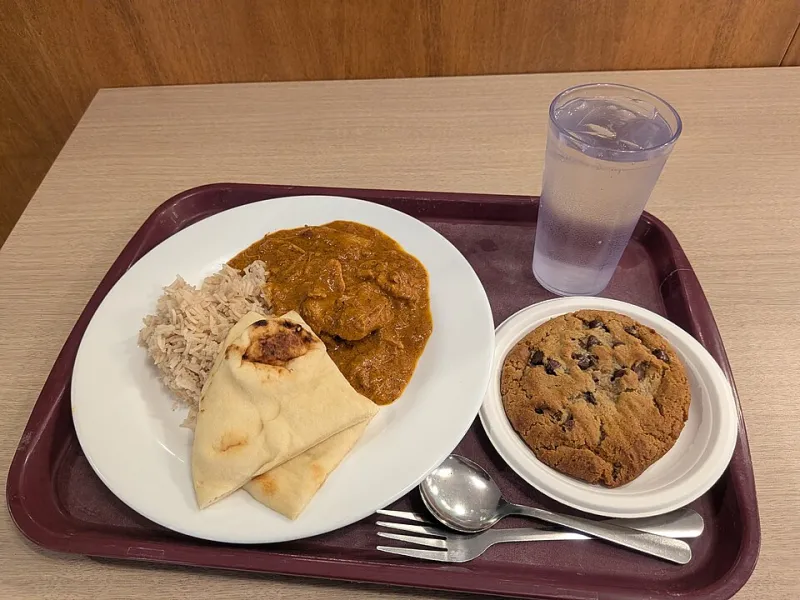
Photo: TechnoKittyCat, CC0, via Wikimedia Commons
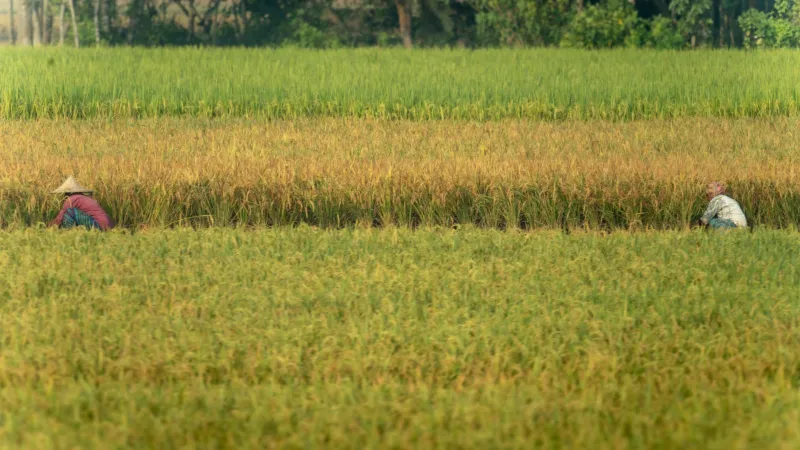
Let's be honest about how most of us treat rice. We rinse it (down the drain), cook it (in fresh water), eat some of it, and forget the rest in a container until it becomes a science experiment. For a grain that farmers spend an entire season coaxing out of the prairie soil, we've developed remarkably wasteful habits.
Heritage grains invite a different relationship. Partly because they cost more, so you notice. Partly because they come with stories and farm names attached, and it feels different letting something with a farmer's name on it go to waste. But mostly because heirloom rice is genuinely useful in more ways than the standard stuff — and once you know the tricks, it feels almost negligent not to use them.
Rice Water: The Liquid You're Pouring Away
That cloudy water left over from rinsing your rice? It's not dirty — it's a suspension of starch, trace minerals, and small amounts of B vitamins and amino acids that leach from the grain.
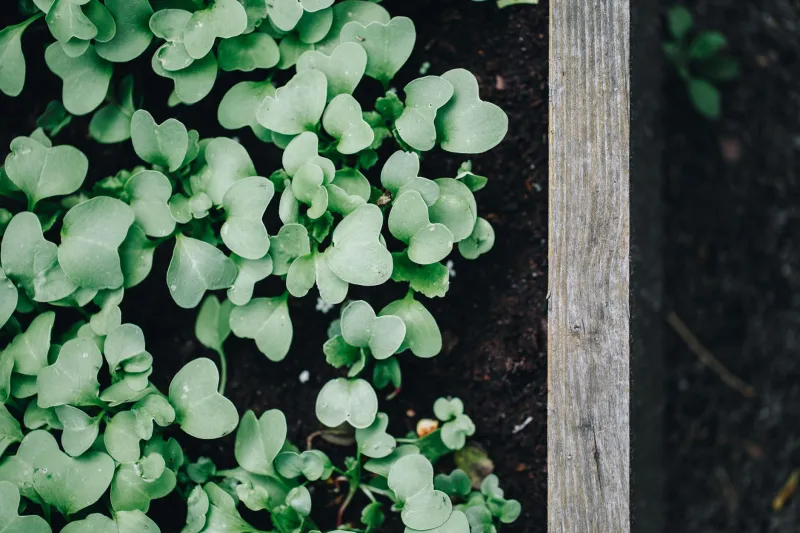
For plants. Houseplant enthusiasts have sworn by rice water for years, and there's real logic: the starch feeds beneficial soil microbes, which in turn make nutrients more available to roots. Cool the water completely, use it within a day (it ferents fast), and water as usual. Ferns and pothos seem especially fond of it.
For your face. This one has serious pedigree — rice water has been a staple of beauty routines across East and Southeast Asia for centuries. The starch is mildly astringent and the water leaves a soft, temporary film on skin. Chill it, dab it on with a cotton pad, rinse after 15 minutes. Is it a miracle? No. Is it free and gentle? Yes.
For cooking. A splash of rice water is a legitimate thickener for soups and sauces — it behaves like a lighter, cleaner cornstarch slurry. Save it in a jar in the fridge for up to two days.
Broken Grains: Not Damaged, Just Different
Heritage rice often ships with a handful of broken grains, and some shoppers treat that as a defect. Farmers know better. Broken rice is prized in kitchens around the world precisely because it cooks faster and releases more starch. Use it for:
- Congee and rice porridge, where creaminess is the entire point
- Grain flours — blitz dried broken grains in a blender for rice flour to use in pancakes or as a gluten-free thickener
- Crispy rice treats, where the extra starch helps things bind without marshmallows
If your bag has broken grains, sort them out before cooking and keep a jar. You've essentially pre-portioned your next pot of porridge.
Hulls, Bran, and the Stuff You Don't See
If you buy from small farms, you may occasionally receive rice with more of the grain intact — and more of the grain's byproducts. Rice bran and hulls have long second lives:
-
Compost and garden mulch. Hulls break down slowly, aerating soil as they go. Backyard composters love them for keeping piles from compacting.
-
Broth booster. A spoonful of rice bran stirred into stock adds body and a subtle nuttiness.
-
Baking. Toasted lightly in a dry skillet, bran becomes a nutty topping for breads and yogurt — the way wheat germ used to be, back when nobody wasted that either.
The Bigger Point: Heirloom Grains Already Think This Way
Here's our actual argument, beyond the party tricks. Low-waste cooking isn't primarily about clever reuse — it's about buying things that last and using them fully. Heritage grains are structurally suited to both.
Because they're less processed, whole heirloom grains carry more of their natural oils and bran — which means more flavor, more nutrition, and a longer shelf life than you'd expect. Because they're flavorful, you need less of them, and less butter and salt alongside. And because they're often grown regionally by small farms, buying them supports a supply chain with far less packaging, shipping, and shrink than the industrial alternative.
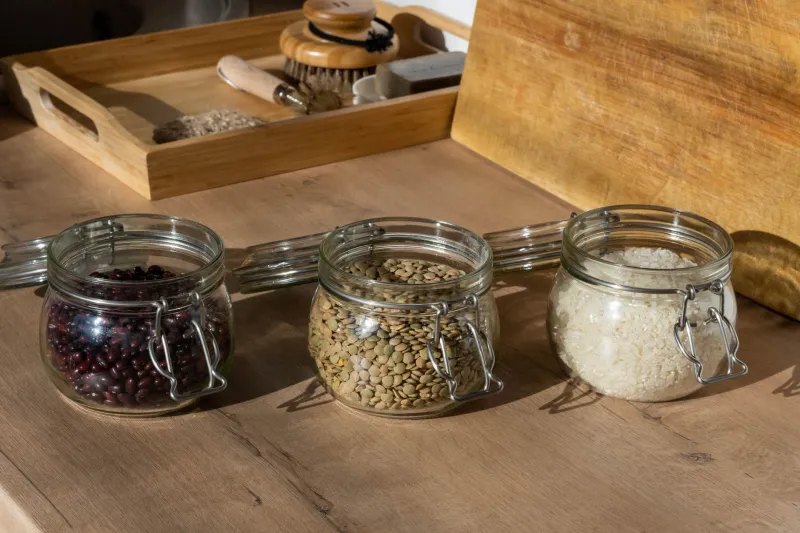
A grain that lasts years in a sealed jar, improves leftovers, feeds your plants, and thickens your soup isn't a sustainability gimmick. It's how kitchens operated for most of human history — and, honestly, it's how ours might operate again.
Start small. Save the rinse water this week. Keep the broken grains next time. Waste less, taste more. The prairie — and your grocery bill — will thank you.