Your Pantry's Best Long Game: How Heirloom Grains Outlast Almost Everything Else on Your Shelves
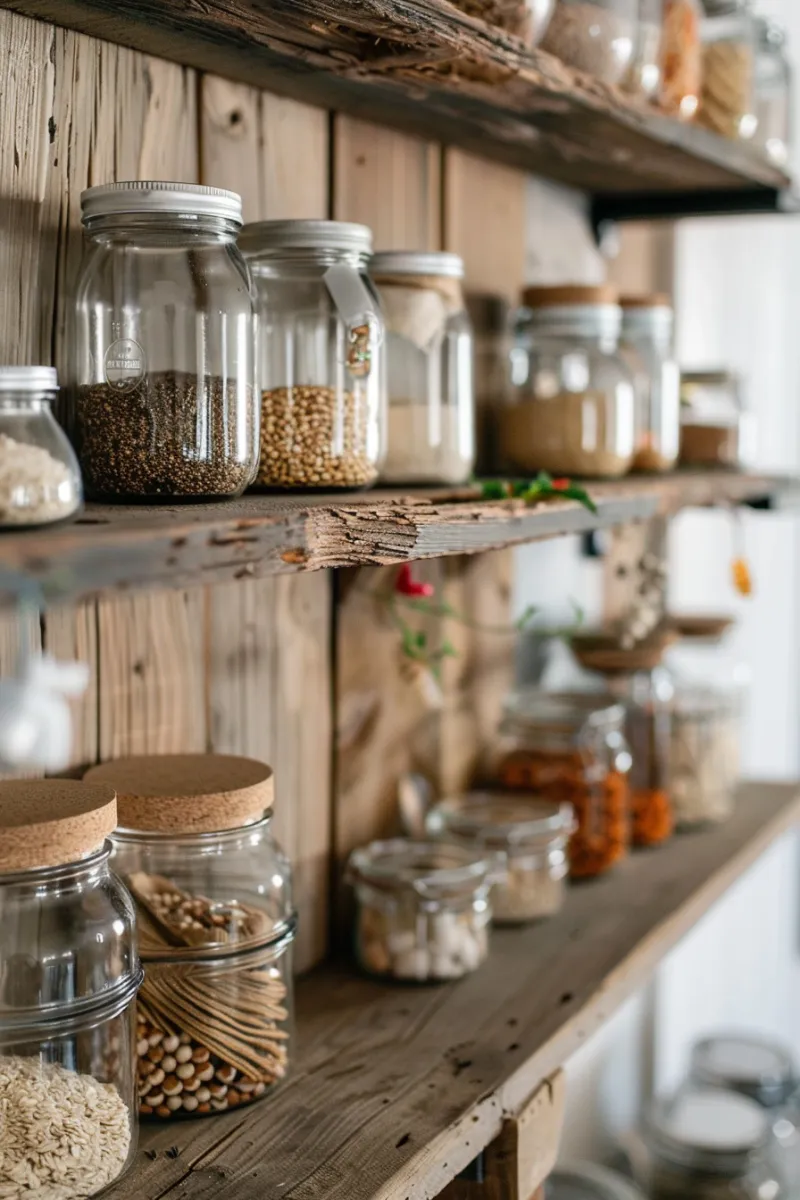
Photo: heirloom grain berries mason jars pantry storage rustic farmhouse kitchen, via www.everydayinspo.com
Most of us have been there: you reach into the back of a cabinet for that bag of all-purpose flour you swore you bought recently, only to find it smells faintly off — or worse, has become a home for something with wings. Meanwhile, a small cloth sack of emmer wheat or a jar of heirloom red rice that a farmer handed you at a summer market is sitting right next to it, perfectly fine, like it's got nowhere to be.
That's not a coincidence. It's chemistry, history, and a little bit of what happens when you stop processing a grain within an inch of its life.
The Short Version: Modern Milling Strips Away the Very Thing That Protects a Grain
Here's the thing about most commercial grains on grocery store shelves: they've been stripped down for speed and convenience. White flour, for example, has had its bran and germ removed — which does extend shelf life compared to whole wheat flour, but it also eliminates the grain's natural oils, antioxidants, and protective compounds in the process. What you're left with is a product that's shelf-stable in a fairly narrow, sterile sense of the word. It won't spoil dramatically fast, but it also has very little nutritional complexity left to protect.
Whole grain commercial products, on the other hand, go rancid faster because they retain those oils — but they've also often been grown and processed in ways that didn't prioritize long-term stability. High-yield modern wheat and rice varieties are bred for volume and uniformity, not durability.
Heirloom and heritage grains operate by a different set of rules.
"These older varieties were selected over generations specifically because they kept well," says Marcus Dellner, a grain farmer outside of Ames, Iowa, who grows several heirloom wheat and rice varieties on his family's operation. "Before refrigeration, before climate-controlled warehouses, the grain that made it through a hard winter in a prairie farmhouse was the grain worth planting again next year. Shelf life wasn't a marketing point — it was survival."
What the Science Actually Says
Food researchers have been paying closer attention to heritage grain stability in recent years, and the findings are genuinely interesting. Several heirloom varieties — including older emmer, einkorn, and certain landrace rice types — contain higher concentrations of antioxidants and phenolic compounds compared to their modern counterparts. These compounds act as natural preservatives, slowing the oxidation process that causes fats in the grain to go rancid.
Dr. Priya Anand, a food scientist who consults with small-scale grain producers in the upper Midwest, puts it plainly: "The bran layers on many heirloom grains are thicker and more complex than what you find on commodity varieties. That physical structure, combined with a different fatty acid profile, means the grain has better built-in protection against the two main enemies of pantry storage: moisture and oxygen."
She also points out that traditional processing methods — slower stone milling, minimal heat exposure, storing grain in its whole berry form — preserve the integrity of those protective layers in ways that high-speed industrial processing simply doesn't.
In practical terms? Properly stored whole heirloom grain berries can remain good for anywhere from two to five years, and in some cases even longer. Compare that to commercial whole wheat flour, which most sources recommend using within three to six months of opening, and the gap becomes pretty striking.
"Whole Berry" Storage Is the Real Secret
This is the part that trips up a lot of home cooks: the shelf life advantage of heirloom grains mostly applies to the whole berry — the grain before it's been milled into flour. Once you grind it, you're exposing those inner oils to air, and the clock starts ticking faster.
The good news is that keeping a small countertop grain mill or using a high-powered blender to grind small batches as needed is increasingly common among home cooks who've gone deep on heritage grains. You're essentially getting fresh flour on demand, with all the flavor and nutrition intact — and your pantry stash stays stable for the long haul.
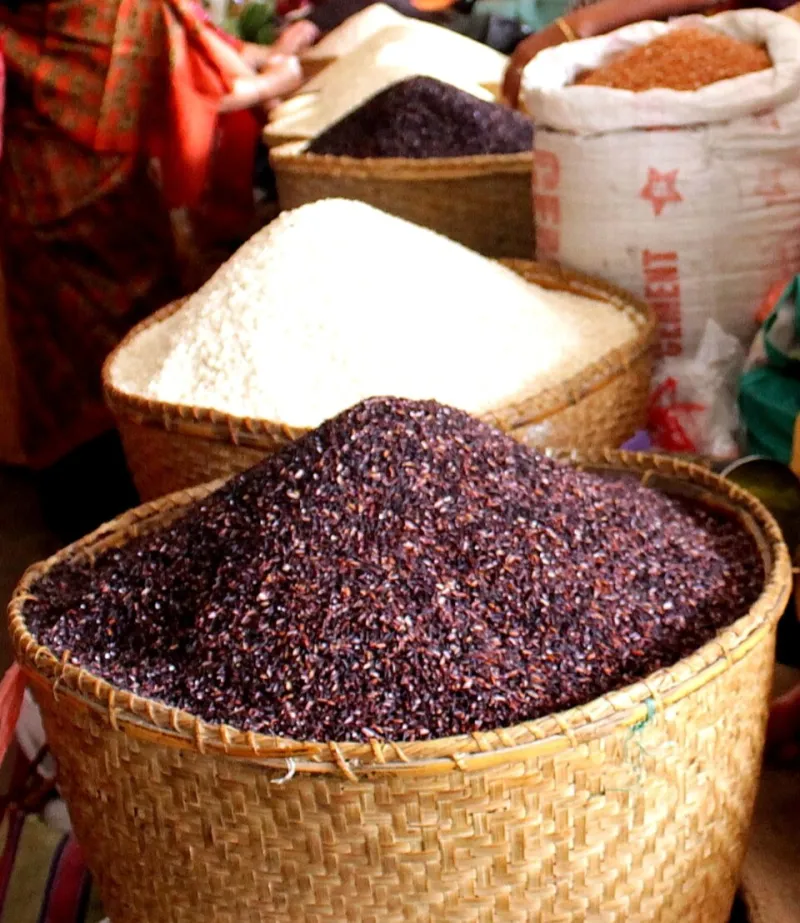
For heritage rice varieties, the whole-grain advantage is similarly real. Heirloom brown rice varieties — including some of the nutty, dark-bran types grown in Missouri and Arkansas river bottoms — store significantly better than commercial brown rice when kept in airtight containers away from heat and light. The denser bran structure acts almost like a shell.
"I tell people to think of it like a walnut versus a shelled walnut," says Dellner. "The shell is doing something. When you take it away, you need to eat it faster."
Practical Storage Tips for Getting the Most Out of Your Grains
You don't need a root cellar or a specialized pantry to store heirloom grains well. A few straightforward habits go a long way:
Keep it cool and dark. Heat and light are the enemies. A lower cabinet away from the stove beats a pretty open shelf every time. If you have the freezer space, whole grain berries freeze beautifully and essentially stop aging.
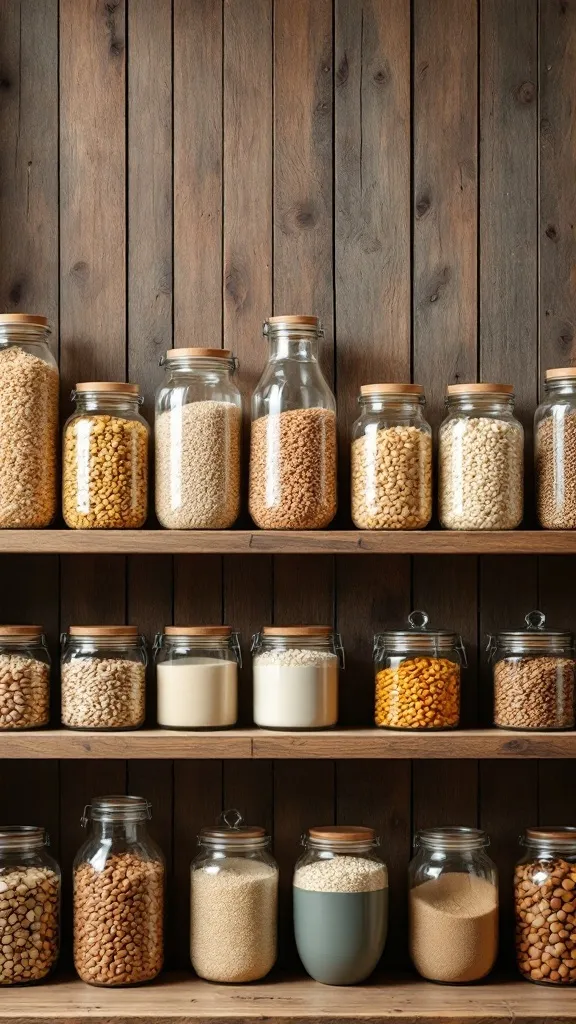
Go airtight. Mason jars are the prairie pantry classic for a reason. Wide-mouth quart jars with tight lids keep moisture and pests out while letting you see exactly what you have. Vacuum-sealed bags work even better for longer-term storage.
Label everything. This sounds obvious, but heirloom grains can look surprisingly similar once they're in a jar. Write the variety and the date you bought or received them. Future you will appreciate it.
Buy whole berries when possible. If a farm or co-op near you sells grain in berry form, that's your most shelf-stable option. Mill or crack what you need as you go.
Don't store near strong odors. Grains are porous and can absorb surrounding smells over time. Keep them away from spices, onions, or anything strongly aromatic.
The Bigger Picture: Buying Less, More Intentionally
There's a certain irony in the fact that heritage grains — often perceived as a specialty or premium purchase — can actually be the more economical long-term choice when you factor in waste. How many bags of commercial flour have you tossed because they went off before you got through them? How many boxes of store-brand rice turned dusty and sad in the back of the cabinet?
Heirloom grain farmers in the Midwest are increasingly hearing this feedback from the home cooks who find their way to farmers markets, regional co-ops, and direct farm sales. People buy a larger quantity upfront, store it properly, and find themselves going back months later to something that still tastes alive.
"It changes how you shop," says Dellner. "You start thinking of your pantry differently — less like a weekly restocking situation and more like a real larder. That's honestly how it used to work on farms out here, and it still makes sense."
The prairie pantry, it turns out, was always playing the long game. It just took a few generations of convenience culture for the rest of us to notice.