One Setting Does Not Fit All: What Heritage Rice Farmers Want You to Know About Cooking Their Grain
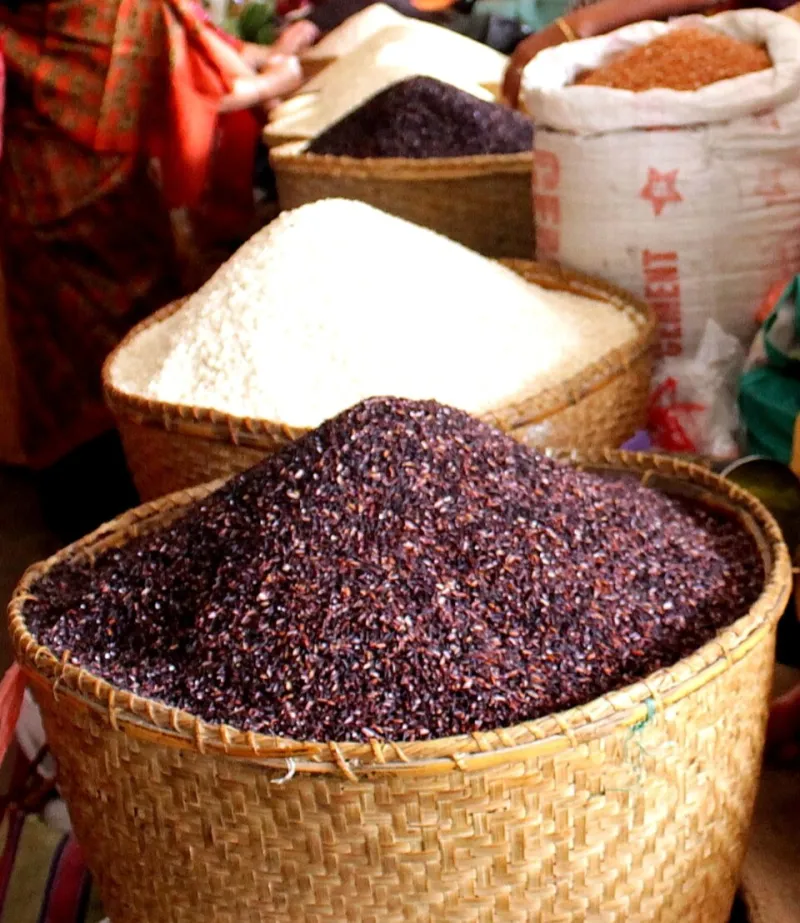
Photo: User:Goumisao, CC BY-SA 4.0, via Wikimedia Commons
There's a good chance your rice cooker is lying to you. Not out of malice, exactly — more like a case of mistaken identity. That sleek countertop appliance was engineered for one thing: producing consistent, fluffy results with the commodity short-grain and medium-grain white rice that fills the bulk bins at every grocery store in America. It does that job reasonably well. But hand it a bag of stone-milled red rice from a family operation in southern Illinois, or a heritage long-grain variety grown on the Missouri River bottomlands, and suddenly "reasonably well" turns into a gummy, undercooked, or blown-out mess.
Farmers and grain producers across the prairie states are watching this happen in real time — and they're frustrated.
"People buy our rice, they're genuinely excited about it, and then they cook it the same way they'd cook store-brand instant rice," says Marcus Drelle, who grows traditional Cajun-heritage long-grain rice on reclaimed wetland acreage in southwestern Missouri. "They come back and say it didn't turn out right. It's not the rice. It's the method."
Why Your Cooker Doesn't Know What It's Dealing With
To understand the disconnect, you have to get a little nerdy about starch — specifically the ratio of two starch molecules found in every grain of rice: amylose and amylopectin. Commodity white rice, particularly the short- and medium-grain varieties that dominate the American supermarket shelf, has been selectively bred over decades for high amylopectin content. Amylopectin is the starch that makes rice sticky and clingy when cooked. It gelatinizes quickly, absorbs water fast, and responds predictably to a fixed amount of heat and moisture. Rice cooker engineers reverse-engineered their products around exactly these characteristics.
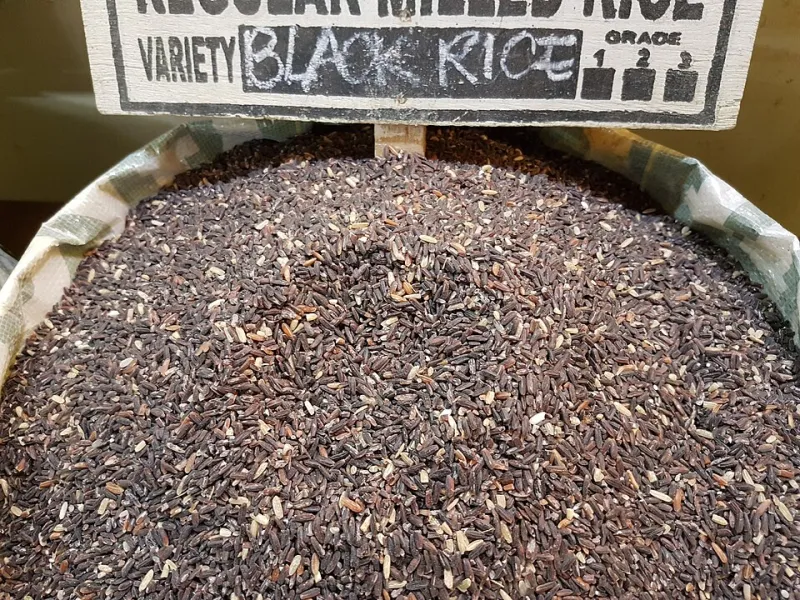
Heritage and specialty varieties — particularly traditional long-grain types, red rices, and black rices — tell a different story. Many carry significantly higher amylose content. Amylose is a longer, more linear molecule. It's slower to hydrate, more resistant to heat, and needs more time and more water to fully cook through. Apply the same steam-and-click logic from your cooker, and you'll either get a crunchy center or a collapsed, waterlogged exterior while the inside is still fighting you.
"The grain structure is just different," explains Dr. Lena Yarbrough, a cereal scientist who consults with small grain producers in the upper Midwest. "Heritage varieties haven't been processed to within an inch of their lives. They still have more of their bran layer intact, they haven't been polished down to pure starch, and that means they need a completely different approach to hydration."
The Farmers Growing What Got Left Behind
The resurgence of heritage rice in the prairie states is part of a broader movement that's been quietly gaining ground for the better part of a decade. Farmers like Drelle aren't growing these varieties as a novelty. Many of them are working from seed stock that traces back generations — varieties that were sidelined when industrial agriculture optimized for yield and uniformity rather than flavor or nutritional complexity.
In central Arkansas, just beyond the prairie fringe, third-generation rice farmer Bette Okonkwo has spent seven years reintroducing a red bran long-grain rice her grandfather once grew before hybrid varieties took over the region. "My grandfather's rice had this nutty, almost earthy depth to it," she says. "When I finally got the seeds stabilized and cooked a proper pot of it, I understood what we'd been missing."
Okonkwo sells her harvest direct-to-consumer and through a handful of regional co-ops. She includes a hand-printed cooking card with every order. Not because she assumes customers are bad cooks — but because she's learned the hard way that the instructions on the back of a commodity rice bag are genuinely counterproductive for what she's grown.
What Actually Works: Updated Techniques for Heritage Varieties
So if the rice cooker is out, what's in? Farmers, grain millers, and food scientists who work with these varieties consistently point to a few key adjustments that make a dramatic difference.
Rinse, but don't over-rinse. Heritage varieties with intact bran benefit from a quick rinse to remove surface dust and any loose starch. But unlike polished white rice, you don't want to rinse away the natural oils and flavor compounds clinging to the bran. One or two passes under cold water is plenty.
Soak when in doubt. For red rice, black rice, and any whole-grain heritage variety, a 30-to-60-minute soak in cold water before cooking dramatically reduces cook time and improves even hydration. This step alone resolves most of the "crunchy center" complaints that heritage rice producers hear constantly.
Adjust your water ratio — and then adjust it again. Standard commodity rice instructions call for a 1:1.5 or 1:2 ratio of rice to water. Many heritage long-grain varieties need closer to 1:2.25 or even 1:2.5, depending on how much bran is intact and how old the grain is. Older harvest-year grain has lost more internal moisture and needs more water to compensate. Drelle recommends starting at 1:2.25 and keeping notes until you dial in the right ratio for a specific variety.
Use a heavy-bottomed pot and low, steady heat. A wide, heavy Dutch oven or saucepan beats a thin-walled pot every time. Bring the water to a boil, stir once, drop to the lowest possible simmer, and cover tightly. Heritage varieties do not benefit from peeking, stirring, or fussing. Leave them alone.
Rest is not optional. This is the step most home cooks skip — and it might be the most important one. After the heat goes off, let the pot sit covered and undisturbed for at least 10 to 15 minutes. This resting period allows residual steam to finish the job and lets the starch structure set properly. Cut it short and you'll get a wetter, less defined texture. Okonkwo says she rests her red rice for a full 20 minutes. "People think it's going to get cold. It doesn't. It gets better."
A Different Kind of Patience
There's a theme running through every conversation with the farmers and producers working to bring these grains back to American tables: patience. Not as a lifestyle brand concept, but as a practical requirement. Heritage rice was grown by people who had time for their food — who understood that grain was a living thing with its own rhythms, not a commodity to be optimized into submission.
Your rice cooker isn't evil. It's just built for a different world. For the grain that Midwest farmers are pulling from reclaimed wetlands and river bottomlands and decades-old seed banks, a little more attention — a soak, a heavy pot, a long rest — isn't extra effort. It's the right kind of respect.
And honestly? Once you taste the difference, the extra fifteen minutes feels like the least you could do.