Meet the Midwestern Home Cooks Who Stock Grains Like Other People Stock Spices
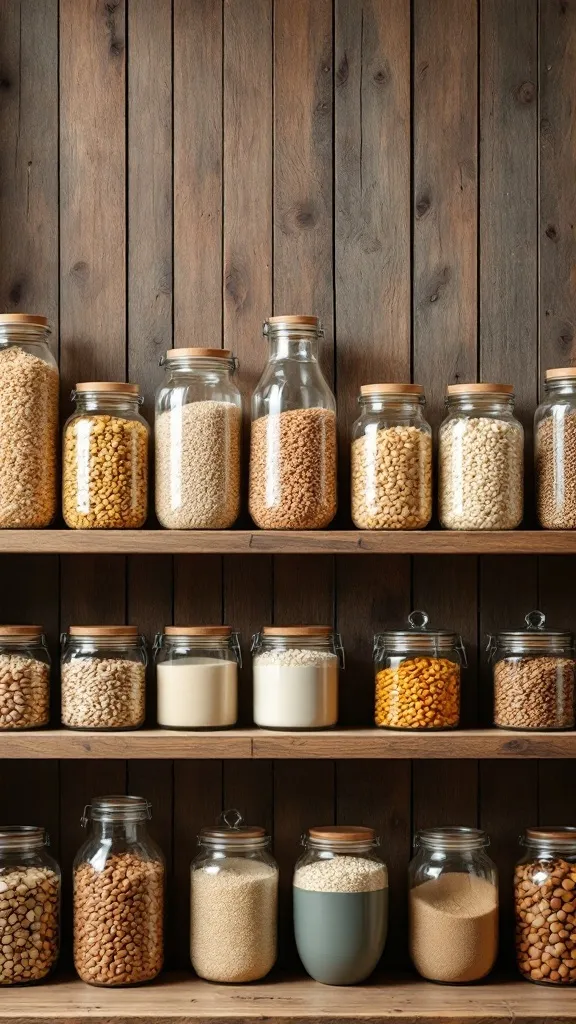
Photo: glass jars filled with assorted grains and rice on kitchen shelf farmhouse pantry, via gardeningolivia.com
Walk into Karen Schreiber's kitchen in Ames, Iowa, and you might do a double take. The counter near her window holds twelve glass jars, each filled with something different — emmer, einkorn, red fife, a purple-hued heritage rice from a small Arkansas farm, and a handful of others that most grocery stores wouldn't recognize. There's no label maker involved. Karen knows what everything is because she bought it intentionally, researched where it came from, and has cooked with each one enough to understand its personality.
"People think I'm a little obsessive," she says, laughing. "But honestly, I used to spend real money on spices I'd use once and forget about. This feels more useful. More alive, somehow."
Karen is part of a quiet but growing movement across the Midwest — home cooks who are building what food writers have started calling "grain libraries." Think less bulk-bin impulse buy, more considered collection. These cooks aren't just stocking pantry staples. They're developing relationships with specific grains the way a wine enthusiast learns to appreciate terroir, or the way a previous generation of cooks built out a serious spice cabinet.
From Filler to Feature
For most of the 20th century, grains got a bad reputation in the American kitchen. White rice was a side dish. Bread flour was bread flour. Grains were cheap, utilitarian, and largely interchangeable — a backdrop ingredient that carried whatever flavors you added to them.
Something has been shifting, though. Slowly, then all at once.
Food writer and Omaha native Dani Howell noticed it around 2019, when she started getting reader questions not just about recipes but about sourcing. "People weren't asking me how to cook rice anymore," she says. "They were asking which rice. Where it was grown. Whether it mattered. And honestly, I had to go do some homework, because it does matter — a lot."
What Dani found, and what an increasing number of home cooks are discovering, is that grains are as expressive of place as anything else on the table. A heritage rice grown in Missouri river-bottom soil has a different flavor profile than a commodity long-grain from a massive industrial operation. Emmer wheat from a small Nebraska farm brings a nuttiness and chew that modern all-purpose flour just can't replicate. These differences aren't subtle once you start paying attention.
"It's the same reason people care about where their beef comes from, or whether their tomatoes are heirloom varieties," Dani says. "Grains got left out of that conversation for a long time. They're finally getting their seat at the table."
What Goes in a Grain Library?
So what does a well-stocked Midwestern grain library actually look like? There's no single answer, but the home cooks we talked to tended to organize their collections around a few core categories.
A workhorse heritage wheat. Red fife is a popular starting point — it's approachable, widely available from regional mills, and works beautifully in everything from pancakes to a simple loaf of sandwich bread. Einkorn is another favorite for its mild sweetness and digestibility. The key is sourcing from a mill that can tell you where the grain was grown, not just what it is.
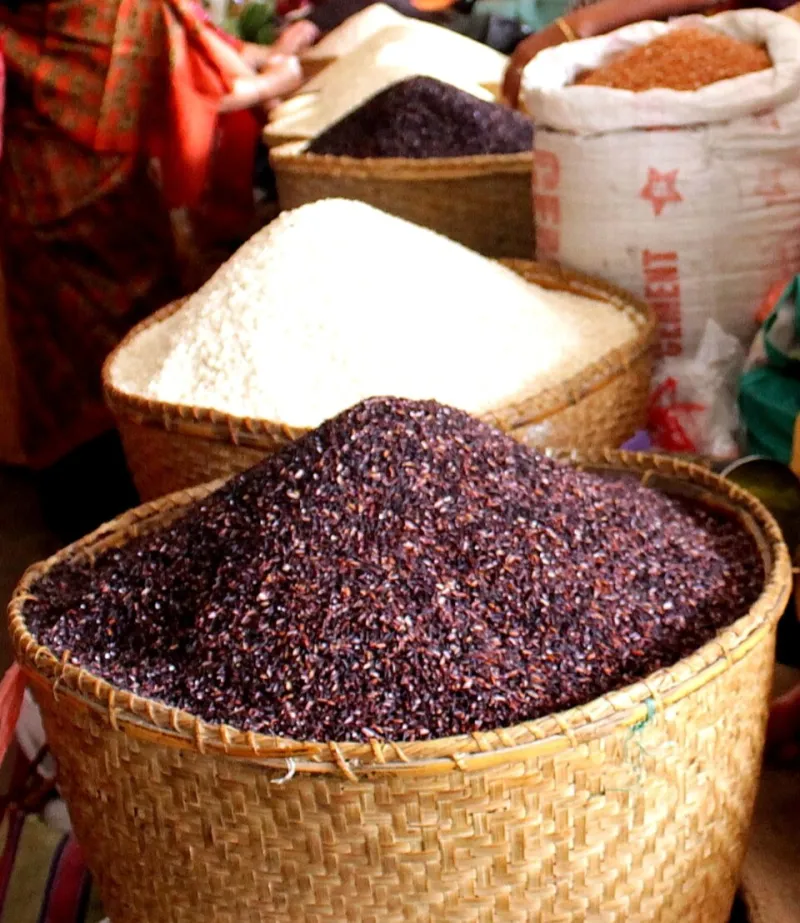
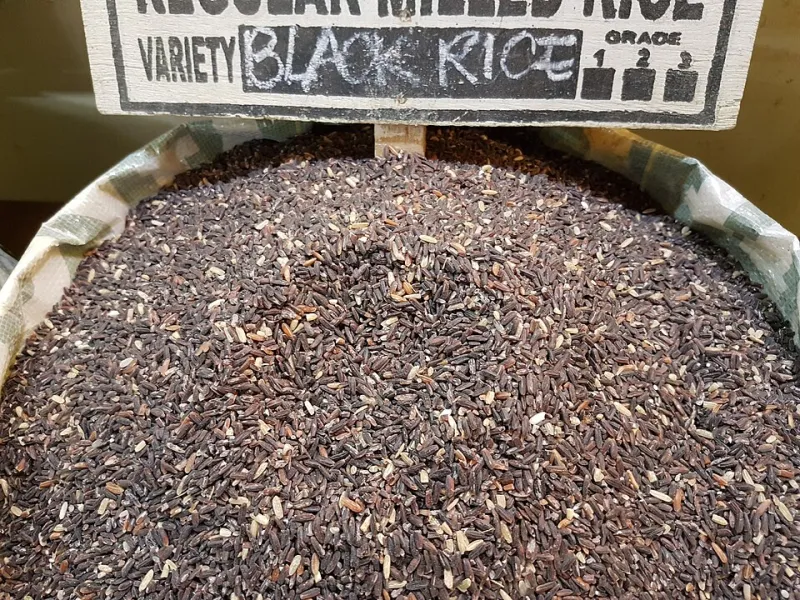
At least one specialty rice. This is where Prairie & Rice readers will feel right at home. Heritage rice varieties — think Carolina Gold, Bloody Butcher, or any number of small-farm American rices — bring genuine depth to dishes that conventional long-grain simply can't. Karen keeps three rice varieties in rotation at any given time: one for everyday cooking, one for special occasions, and one she's actively experimenting with.
A whole grain you have to work for. Farro, emmer, or whole-berry spelt all require a little more time and intention than refined grains, and that's kind of the point. Cooking them slows you down in a good way. "When I'm making a farro salad, I'm present in the kitchen in a different way," says Minneapolis home cook Jorge Reyes. "It's not a thirty-minute meal. It's an experience."
Something local. This one matters to a lot of grain library enthusiasts. Sourcing from a regional grain farm or mill — even if it means paying more — connects your pantry to the landscape around you. Check your state's department of agriculture website or local farmers markets for leads on small-grain producers near you.
The Storage Question
One of the most common reasons people hesitate to invest in quality grains is the storage learning curve. And fair enough — whole grains with the bran and germ intact can go rancid in ways that refined white flour won't. But the solution is simpler than most people expect.
Airtight glass containers kept away from direct light are your best friends here. Most whole grains will stay fresh at room temperature for three to six months if stored properly. For longer-term storage, the freezer is genuinely excellent — it doesn't affect flavor or texture, and you can keep most grains frozen for up to a year without any noticeable difference.
Karen labels each jar with a small piece of masking tape noting the grain name and the date she opened the package. "That's it. That's the whole system," she says. "It doesn't have to be complicated."
One thing worth knowing: whole grain flours (as opposed to whole intact grains) have a shorter shelf life, so buy those in smaller quantities and use them within a couple of months of opening.
A Shift in How We Value What We Eat
There's something culturally meaningful happening in the grain library trend that goes beyond pantry organization. For generations, cheap and abundant grain was a sign of American prosperity. Now, a growing number of eaters are questioning whether cheap and abundant actually means good — for their health, for small farmers, for the regional food systems that give Midwestern agriculture its character.
Paying twelve dollars for a bag of heritage rice from a Missouri family farm instead of two dollars for a commodity bag isn't irrational. It's a values statement. It says that the story behind your food matters. That flavor and place are worth something. That the farmer who selected and grew a specific variety deserves to be compensated for that knowledge.
"I think about my grandmother's pantry," Dani Howell reflects. "She had spices that were special to her — things she used carefully, not carelessly. I think grains are becoming that for a lot of us now. Not filler. Not an afterthought. Something you choose on purpose."
That intentionality is, at its core, what the grain library movement is really about. It's not about having the most jars on the shelf or knowing the most obscure variety names. It's about slowing down enough to notice that the food you eat every day has a history, a geography, and a flavor worth paying attention to.
Start with one jar. Find out where it came from. Cook with it until you know it. Then add another.
The library builds itself from there.