Why Your Rice Tastes Different Depending on Where It Was Grown

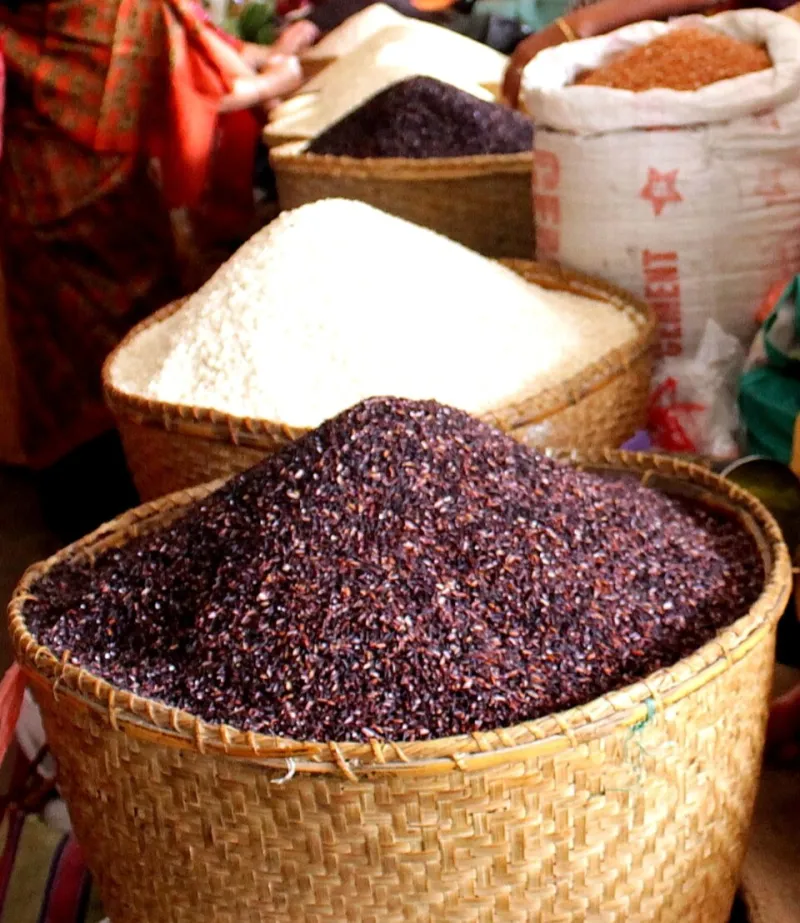
Photo: Basile Morin, CC BY-SA 4.0, via Wikimedia Commons
Pour two glasses of wine from the same grape variety grown in different regions and most people will taste the difference immediately. Do the same thing with two bowls of heritage rice — one grown in the flooded fields of the Arkansas Grand Prairie, another from the volcanic-influenced soils of California's Sacramento Valley — and something similar happens. The grain carries its home with it.
That idea, terroir, has lived comfortably in wine culture for a long time. But a growing number of American rice farmers and agronomists are borrowing the concept and applying it to something far more democratic than a bottle of Burgundy. They're talking about rice, and they're pretty serious about it.
What Terroir Actually Means When We're Talking Grain
At its simplest, terroir is the complete natural environment where something is grown — soil composition, water source, climate patterns, elevation, even the microorganisms living in the ground. For grapes, these factors influence sugar content, acidity, and aromatic compounds. For heritage rice varieties, the effects are just as real, showing up in texture, cook time, starch behavior, aroma, and nutritional density.
"People think rice is rice," says Dr. Anna Whitfield, a rice agronomist who has worked with small-scale heritage grain producers across the South and Midwest. "But when you start paying attention to where a variety was grown, year over year, in a specific place with specific water, you start to notice things. The grain talks."
Whitfield points to three primary environmental factors that shape American heritage rice: water chemistry, soil mineral content, and seasonal temperature swings. Each one pulls the grain in a different direction.
The Water Question
Rice is a thirsty crop, and the water it drinks during growth leaves a fingerprint. In the Arkansas Delta region — one of the most productive rice-growing areas in the country — farmers draw from the Alluvial Aquifer, an ancient underground water source with a distinct mineral profile. The water is relatively soft and low in dissolved solids, which many farmers believe contributes to the clean, neutral base flavor of Arkansas-grown long-grain varieties like Della or heritage Jasmine strains.
Contrast that with parts of Northern California where water carries more calcium and magnesium from the surrounding mountain geology. Farmers growing Calrose-style and medium-grain heirlooms in the Sacramento Valley often describe their rice as having a slightly rounder, nuttier finish — and some attribute that quality, at least in part, to the mineral load in their irrigation water.
"We did a side-by-side cook with the same variety, same seed stock, one grown here and one grown in Arkansas," recalls Marcus Tieu, who farms heritage medium-grain rice outside of Colusa, California. "The texture was noticeably different. Ours had more body. Whether that's the water, the soil, or the cooler nights we get here, I honestly can't say for certain. Probably all three."
Soil as Flavor Architecture
The dark, organic-rich soils of the upper Gulf Coast rice belt behave differently than the silty clay loams common in Missouri's Bootheel or the heavier alluvial soils further south. Organic matter in the soil feeds the plant differently, influencing how the grain fills out during the crucial milky stage of development.
Higher nitrogen availability from rich organic soils can push protein content upward, which affects how the cooked grain holds together. More protein generally means firmer texture and less stickiness — a quality some cooks prize for pilafs and grain bowls, and others avoid when they're after something softer for congee or rice pudding.
Small heritage rice operations in Louisiana, particularly those growing heirloom Popcorn Rice — a variety with a naturally nutty, almost popcorn-like aroma when cooked — often work with heavier clay soils that retain water and heat differently than sandier profiles. Farmers there will tell you the soil is part of why that aroma expresses so strongly. The slow, even heat absorption during the growing season concentrates the grain's natural aromatic compounds.
Temperature Swings and What They Do to the Grain
Anyone who has grown tomatoes knows that warm days and cool nights produce more complex flavor. Something similar plays out in rice. The diurnal temperature range — the difference between daytime highs and nighttime lows during grain fill — affects how starch molecules organize inside each kernel.
In California's Sacramento Valley, summer nights can drop significantly compared to the Gulf Coast, where overnight temperatures stay warm and humid well into harvest season. That cooler California night gives the grain more time to develop slowly, and many tasters describe California-grown heritage medium-grain varieties as having a slightly sweeter, more delicate flavor compared to Gulf Coast equivalents.
"It's not dramatic," Whitfield is careful to note. "We're not talking about radically different food. But for someone who cooks with heritage rice regularly, the differences are real and they matter for how you approach a dish."
Tasting Notes Worth Paying Attention To
If you want to start exploring American rice terroir on your own, here's a rough flavor map to start with:
Arkansas long-grain heirlooms (Delta region): Clean, neutral base. Fluffy when cooked. Low stickiness. Good for absorbing bold spices and broths without competing. Think jambalaya, dirty rice, or a simple pilaf where you want the other flavors to lead.
Louisiana Popcorn Rice (Cajun Prairie and coastal plain): Distinctly aromatic. Nutty, almost toasted quality even before it hits the pan. Excellent on its own with butter and salt. Pairs well with shellfish and anything with a smoky element.
California heritage medium-grain (Sacramento Valley): Slightly sweet, tender texture, moderate stickiness when warm. Great for rice bowls, sushi-style preparations, and anywhere you want the grain itself to be a primary flavor. Also outstanding in rice pudding.
Missouri and Arkansas upland varieties (where they exist in small-scale production): Earthier, more mineral quality. Chewier texture. Works well in soups and stews where it can absorb liquid over time without falling apart.
How to Cook With Terroir in Mind
The practical takeaway from all of this isn't complicated: buy heritage rice from producers who tell you where it was grown, and then let that geography guide your cooking decisions. A soft, aromatic Louisiana Popcorn Rice doesn't need much. A firmer, protein-forward upland variety wants a longer braise or a richly seasoned liquid to open it up.
When you source regionally and cook intentionally, the grain stops being a neutral backdrop and starts being an ingredient with something to say. That's the whole idea behind heritage varieties — they carry a place in them, and when you eat them, you're tasting that place whether you realize it or not.
Start paying attention, and you might find yourself buying rice the same way you buy wine: with a curious eye toward the map.